

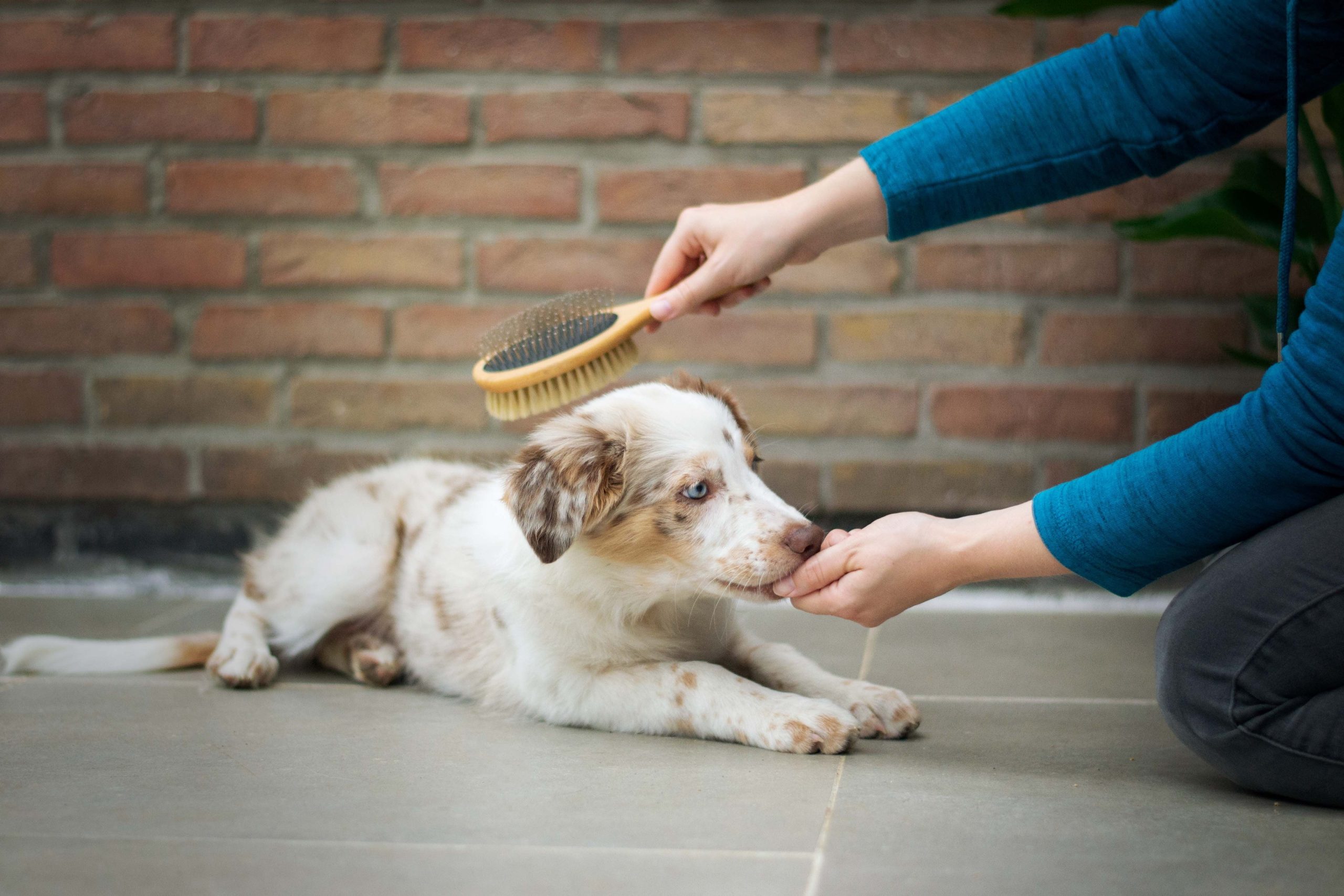
Pets are more than just animals; they are family members who bring joy, companionship, and unconditional love into our lives. Just like humans, pets require regular care to maintain their health and happiness. One of the most important aspects of pet care is grooming. Grooming isn’t just about keeping your pet looking good; it’s also crucial for their physical and emotional well-being. This article will provide comprehensive pet grooming tips to help you ensure your furry friend stays clean, comfortable, and content.
Understanding the Importance of Pet Grooming
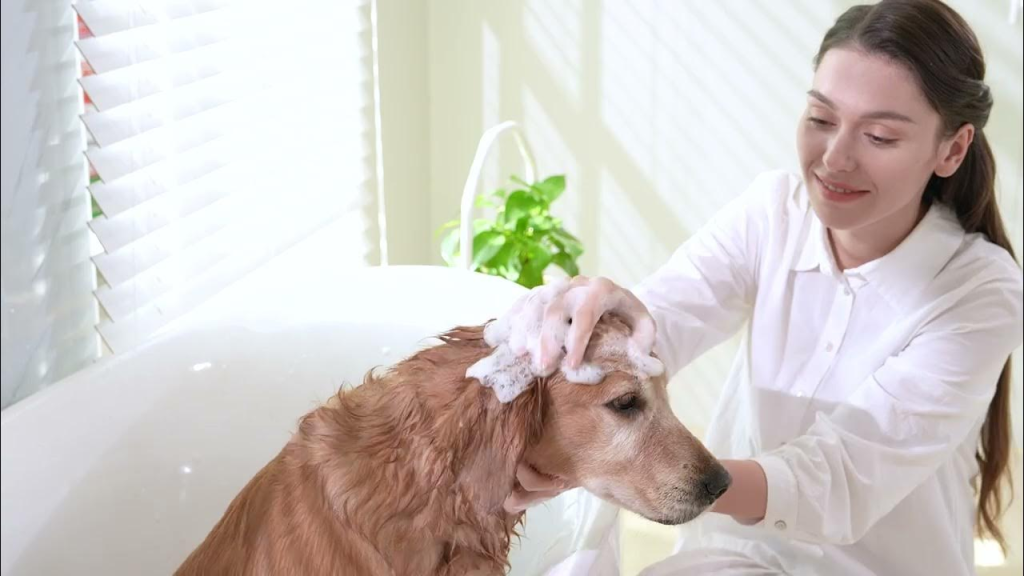
Pet grooming encompasses a variety of practices, including bathing, brushing, nail trimming, ear cleaning, and dental care. Regular grooming has several benefits:
- Maintains Skin and Coat Health: Grooming helps prevent matting, tangling, and shedding, keeping the coat shiny and healthy. It also allows you to detect any skin issues, parasites, or infections early.
- Reduces Health Risks: Cleaning your pet’s ears, teeth, and nails prevents infections and other health complications.
- Enhances Comfort and Mobility: Proper grooming, including nail trimming and hair trimming, ensures your pet can move comfortably without irritation or pain.
- Strengthens Bonding: Grooming provides quality one-on-one time with your pet, reinforcing trust and emotional bonding.
Essential Pet Grooming Tips
1. Regular Brushing
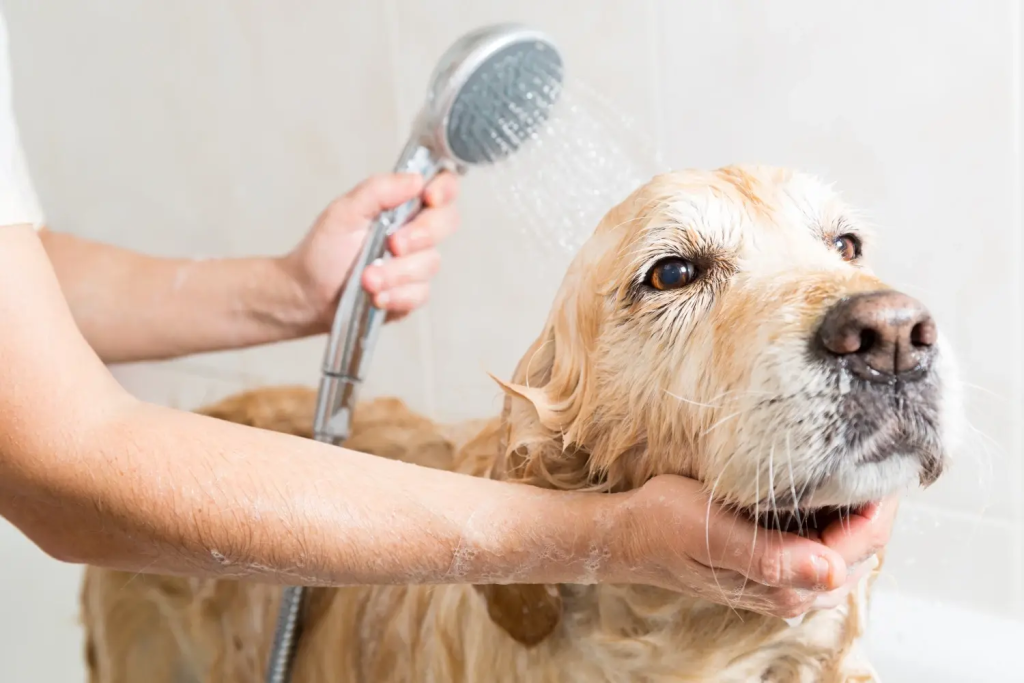
Brushing is one of the simplest yet most effective grooming techniques. Here’s how to do it right:
- Frequency: Dogs and cats with long hair should be brushed daily, while short-haired pets may require brushing once or twice a week.
- Tools: Use brushes appropriate for your pet’s coat type. Slicker brushes, combs, and bristle brushes are commonly used depending on hair length and texture.
- Technique: Brush gently in the direction of hair growth to remove dirt, loose fur, and tangles. Be careful around sensitive areas like the belly and tail.
Brushing not only prevents mats and tangles but also stimulates natural oil production, keeping the coat shiny.
2. Bathing Your Pet
Bathing is essential to remove dirt, odors, and potential allergens. However, over-bathing can strip natural oils, so it’s important to find the right balance.
- Frequency: Generally, dogs should be bathed every 4–6 weeks, while cats typically require fewer baths unless they get dirty.
- Shampoo Selection: Use pet-specific shampoos suitable for your pet’s skin type. Avoid human shampoos, as they can irritate a pet’s sensitive skin.
- Bathing Tips: Use lukewarm water and ensure thorough rinsing to prevent residue, which can cause itching. Dry your pet gently with a towel or a pet-friendly dryer on a low heat setting.
3. Nail Care
Long nails can cause discomfort, affect your pet’s gait, and even lead to injuries. Nail trimming is a crucial part of grooming.
- Frequency: Trim nails every 3–4 weeks or as needed.
- Tools: Use pet nail clippers or grinders, depending on your comfort level and your pet’s tolerance.
- Technique: Avoid cutting too close to the quick (the pink area inside the nail), as it can cause pain and bleeding. If unsure, ask a veterinarian or groomer for guidance.
4. Ear Cleaning
Pet ears are prone to infections, especially in breeds with floppy ears. Regular ear cleaning prevents wax buildup, mites, and infections.
- Frequency: Clean ears once a week or as recommended by your veterinarian.
- Technique: Use a damp cotton ball or a pet-safe ear cleaning solution. Avoid inserting anything deep into the ear canal.
- Signs of Trouble: Redness, odor, or excessive scratching may indicate an infection. Consult a vet if these symptoms appear.
5. Dental Care
Dental hygiene is often overlooked but is vital for a pet’s overall health. Poor dental care can lead to gum disease, tooth loss, and even systemic health problems.
- Brushing: Brush your pet’s teeth regularly with a pet-specific toothbrush and toothpaste. Start slowly to get them accustomed to the process.
- Dental Chews: Provide dental treats or toys that help reduce plaque and tartar buildup.
- Regular Checkups: Schedule dental checkups with your veterinarian to maintain optimal oral health.
6. Haircuts and Trimming
For pets with long or dense coats, regular haircuts are essential to prevent matting and overheating.
- Frequency: Depending on the breed, haircuts may be needed every 6–12 weeks.
- Professional Grooming: Consider professional grooming for complex cuts or breeds with specific coat requirements.
- Home Trimming: If trimming at home, use pet-safe scissors and clippers, and approach grooming gradually to keep your pet calm.
7. Checking for Parasites
Regular grooming provides an opportunity to check for fleas, ticks, and other parasites.
- Inspection: Look for signs of irritation, redness, or tiny moving insects.
- Prevention: Use veterinarian-recommended flea and tick prevention products.
- Early Action: Detecting parasites early prevents infestations and potential health issues.
8. Skin Care
Healthy skin is the foundation of a healthy coat. Watch for signs of dryness, irritation, or unusual lumps.
- Moisturizing: Use pet-friendly moisturizers if your pet has dry or sensitive skin.
- Bathing Products: Avoid harsh soaps and shampoos that can strip natural oils.
- Veterinary Consultation: Persistent skin issues should be evaluated by a veterinarian.
9. Grooming for Different Pet Types
Different pets have specific grooming needs:
- Dogs: Require brushing, bathing, nail trimming, ear cleaning, and occasional haircuts.
- Cats: Often self-groom, but brushing, nail trimming, and dental care are important.
- Small Mammals: Rabbits, guinea pigs, and hamsters need brushing, nail trimming, and cage hygiene.
- Birds: Regular beak, nail, and feather care are essential for their health and mobility.
10. Creating a Positive Grooming Routine
Pets are more cooperative when grooming is a positive experience.
- Start Early: Introduce grooming gradually, especially for puppies and kittens.
- Treats and Praise: Reward your pet with treats and affection to create positive associations.
- Calm Environment: Keep the grooming area quiet and stress-free.
- Patience: Take breaks if your pet becomes anxious, and never force them into grooming tasks.
Common Grooming Mistakes to Avoid
- Over-bathing: Can lead to dry skin and coat problems.
- Using the Wrong Tools: Inappropriate brushes or shampoos can irritate the skin.
- Neglecting Nails: Overgrown nails can cause pain and affect walking.
- Ignoring Signs of Infection: Redness, odor, or discomfort should never be ignored.
- Rushing the Process: Grooming should be gentle and stress-free to keep pets cooperative.
Final Thoughts
Pet grooming is more than a cosmetic routine; it’s an essential part of maintaining your pet’s health, comfort, and happiness. By incorporating these grooming tips into your regular routine, you can ensure that your pet stays healthy, looks great, and enjoys a better quality of life. Remember, every pet is unique, so tailor your grooming routine to your pet’s specific needs and preferences. With patience, consistency, and love, grooming can become a rewarding bonding experience that strengthens the relationship between you and your furry companion.
