

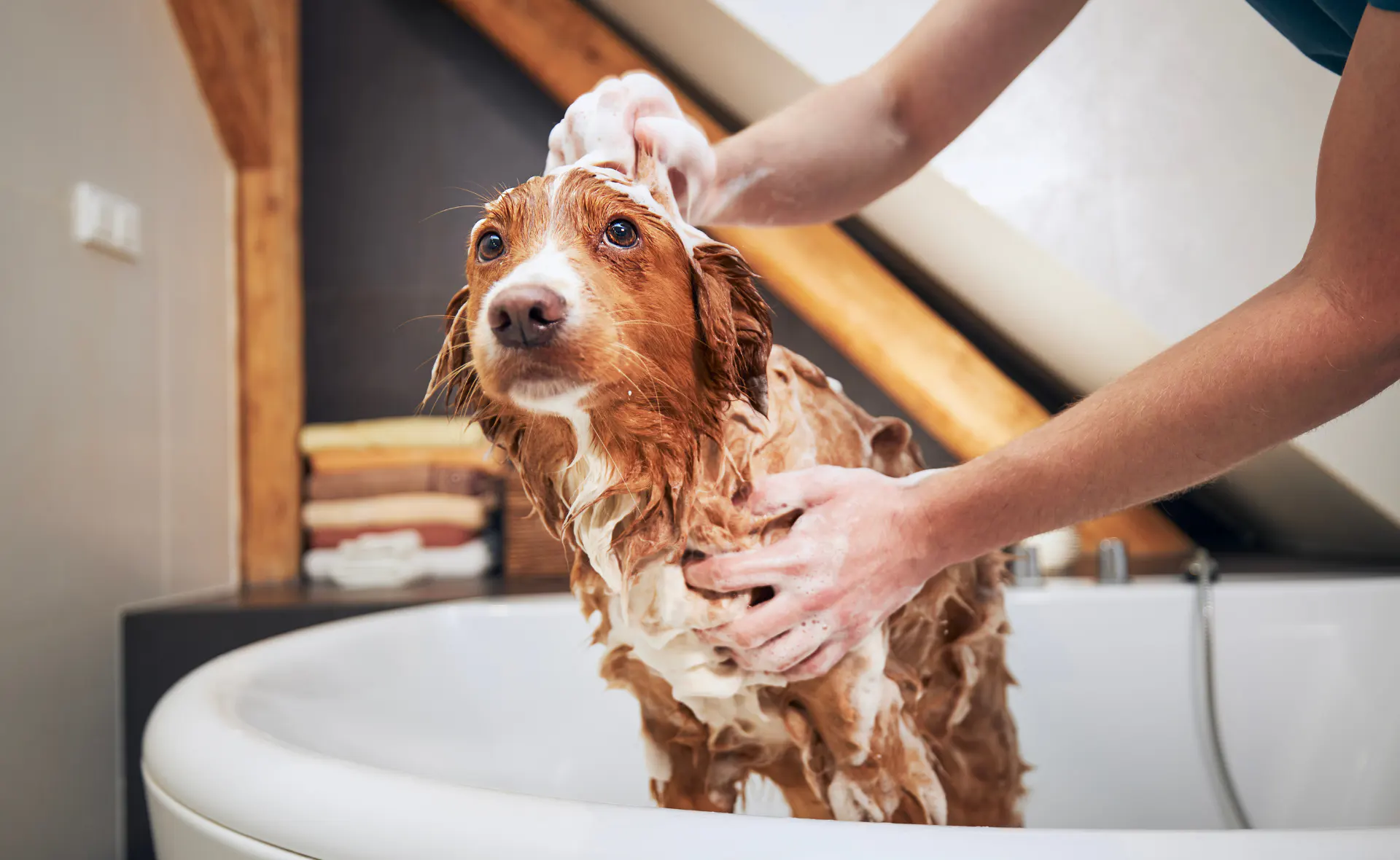
Pet grooming is more than just a luxury for animals—it is a vital part of maintaining their health, hygiene, and overall well-being. Grooming encompasses a wide range of practices, including bathing, brushing, nail trimming, ear cleaning, and dental care. Whether you are a dog owner, a cat enthusiast, or care for small pets like rabbits and guinea pigs, understanding the fundamentals of pet grooming can significantly improve your pet’s quality of life.
Why Pet Grooming Matters
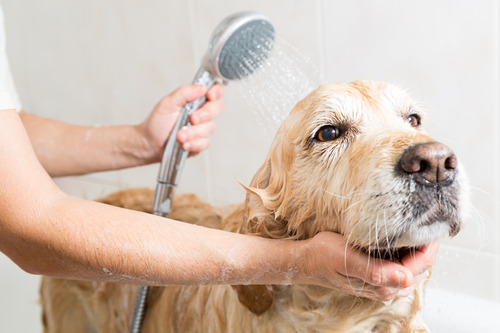
Regular grooming is essential for both physical and emotional health. Here are some key reasons why pet grooming should be a priority:
1. Promotes Healthy Skin and Coat
Grooming helps remove dirt, debris, and loose hair from your pet’s coat. Brushing not only prevents matting but also stimulates the skin, promoting natural oil production. These oils keep the coat shiny, smooth, and healthy. Regular grooming can also help identify skin issues like rashes, parasites, or infections early.
2. Prevents Parasites
Ticks, fleas, and other parasites can hide in a pet’s fur. Grooming makes it easier to detect and remove these pests before they cause significant harm. Fleas, for example, can lead to skin irritation, allergies, and even serious health issues if left untreated.
3. Enhances Overall Hygiene
Pets can carry dirt, allergens, and bacteria in their fur and nails. Bathing and cleaning help reduce odor and prevent the spread of germs inside your home. Additionally, dental hygiene is part of grooming and helps prevent bad breath, tooth decay, and gum disease.
4. Strengthens Bond Between Owner and Pet
Grooming is not just about hygiene; it is also an opportunity to strengthen the emotional bond with your pet. Gentle brushing, massage, and care sessions can reduce anxiety, promote trust, and make pets feel loved and secure.
5. Detects Health Problems Early
Regular grooming sessions allow you to check for lumps, bumps, or abnormalities that could indicate serious health conditions. Early detection of issues like ear infections, skin growths, or nail problems can save your pet from severe complications.
Essential Pet Grooming Practices
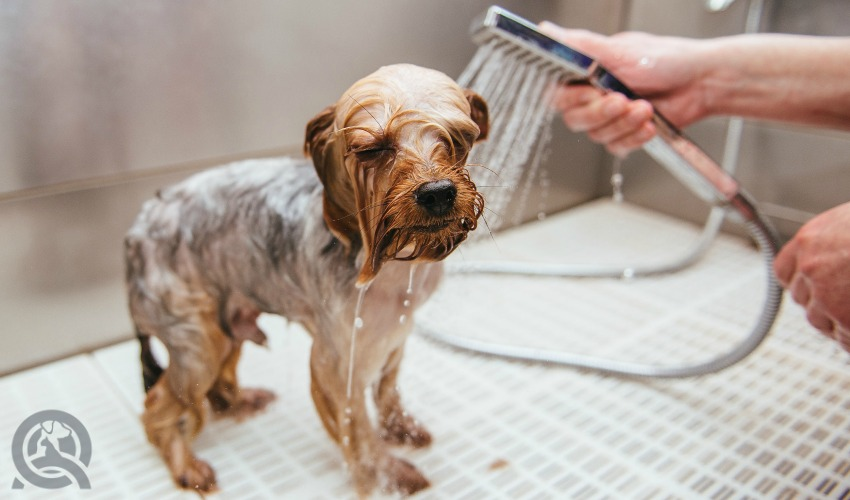
Pet grooming can vary depending on the type of animal and its breed. However, some core practices are universally important.
1. Brushing and Combing
Brushing is perhaps the most fundamental grooming task. For dogs and cats, the type of brush depends on the coat length and texture. Long-haired breeds require more frequent brushing to prevent tangles and mats. Brushing helps remove dead hair and distributes natural oils throughout the coat.
Tips for effective brushing:
- Brush in the direction of hair growth.
- Be gentle to avoid hurting sensitive areas.
- For mats, use a detangling comb instead of pulling aggressively.
2. Bathing
Bathing removes dirt, oil, and odor from your pet’s coat. The frequency of baths depends on the pet’s lifestyle and coat type. Dogs that spend a lot of time outdoors may need weekly baths, whereas indoor cats may only need bathing occasionally.
Bathing guidelines:
- Use pet-friendly shampoos, avoiding human products that can irritate the skin.
- Rinse thoroughly to remove all soap residue.
- Dry your pet completely to prevent fungal or bacterial infections.
3. Nail Trimming
Overgrown nails can be painful and cause walking difficulties or joint stress. Regular nail trimming prevents injuries and ensures comfort. Use a specialized pet nail clipper, and avoid cutting too close to the quick (the sensitive part inside the nail).
Tips for safe trimming:
- If your pet is anxious, trim a few nails at a time.
- Reward your pet after each session to encourage cooperation.
- For pets with dark nails, trim small amounts gradually.
4. Ear Cleaning
Pets’ ears can accumulate wax, dirt, and bacteria. Regular ear cleaning prevents infections, which can cause discomfort and hearing issues.
Ear cleaning tips:
- Use a vet-recommended solution or warm water.
- Avoid inserting objects deep into the ear canal.
- Clean gently with a cotton ball or soft cloth.
5. Dental Care
Oral hygiene is often overlooked but is crucial for overall health. Dental problems can lead to bad breath, tooth decay, and systemic issues affecting the heart and kidneys.
Dental care practices:
- Brush your pet’s teeth with pet-safe toothpaste.
- Provide dental chews to reduce plaque buildup.
- Regularly check for signs of infection or loose teeth.
Grooming by Pet Type
Different pets require different grooming techniques. Understanding the needs of your specific pet ensures proper care.
Dogs
Dog grooming depends heavily on breed, coat type, and activity level. Long-haired dogs need daily brushing, while short-haired breeds may only require weekly brushing. Bathing, nail trimming, and ear cleaning are standard, but some breeds also need haircuts or professional grooming.
Cats
Cats are natural groomers but still benefit from brushing, especially long-haired breeds. Brushing helps prevent hairballs and reduces shedding. Cats usually do not require frequent baths, but regular nail trimming and dental care are important.
Small Pets
Small pets like rabbits, guinea pigs, and ferrets also need grooming. Rabbits need regular brushing to prevent fur mats and reduce the risk of ingesting hair. Guinea pigs may require occasional baths and trimming. Ferrets benefit from nail trimming, ear cleaning, and dental care.
Professional Grooming vs. Home Grooming
Both professional and home grooming have benefits. Home grooming allows you to bond with your pet and maintain daily hygiene. Professional grooming is useful for more complex tasks like breed-specific haircuts, dealing with matted fur, or deep cleaning. A combination of both ensures optimal health and appearance for your pet.
Safety Tips for Grooming
Pet grooming should always be safe and stress-free. Here are some key safety tips:
- Always use pet-specific grooming tools and products.
- Avoid grooming when your pet is anxious or agitated.
- Never use human nail clippers or scissors.
- Keep grooming sessions short for beginners or young pets.
- Reward pets with treats or praise to create positive associations.
Common Grooming Mistakes to Avoid
Even well-meaning pet owners can make mistakes. Common errors include:
- Bathing too frequently, which can strip natural oils.
- Cutting nails too short, causing pain and bleeding.
- Using inappropriate brushes or combs.
- Ignoring signs of skin problems or infections.
- Neglecting dental hygiene.
Avoiding these mistakes ensures that grooming is a healthy, stress-free experience for both you and your pet.
Signs Your Pet Needs Grooming
Recognizing when your pet needs grooming is crucial. Signs include:
- Matted or tangled fur.
- Unpleasant odor.
- Excessive shedding.
- Overgrown nails.
- Scratching or pawing at ears.
- Visible tartar on teeth.
Addressing these signs promptly can prevent discomfort and long-term health issues.
Conclusion
Pet grooming is more than just a cosmetic task; it is a cornerstone of responsible pet ownership. Regular grooming promotes healthy skin, reduces the risk of infections, enhances hygiene, and strengthens the bond between pet and owner. By understanding the essential grooming practices, adjusting care for your pet’s specific needs, and combining home care with professional services when necessary, you ensure that your pet lives a healthy, happy, and comfortable life.
Remember, a well-groomed pet is not just a beautiful pet—it is a healthy, happy companion. Prioritize grooming, pay attention to signs of discomfort or health issues, and make grooming a routine part of your pet’s life. Your pet will thank you with affection, loyalty, and many wagging tails or gentle purrs.
