

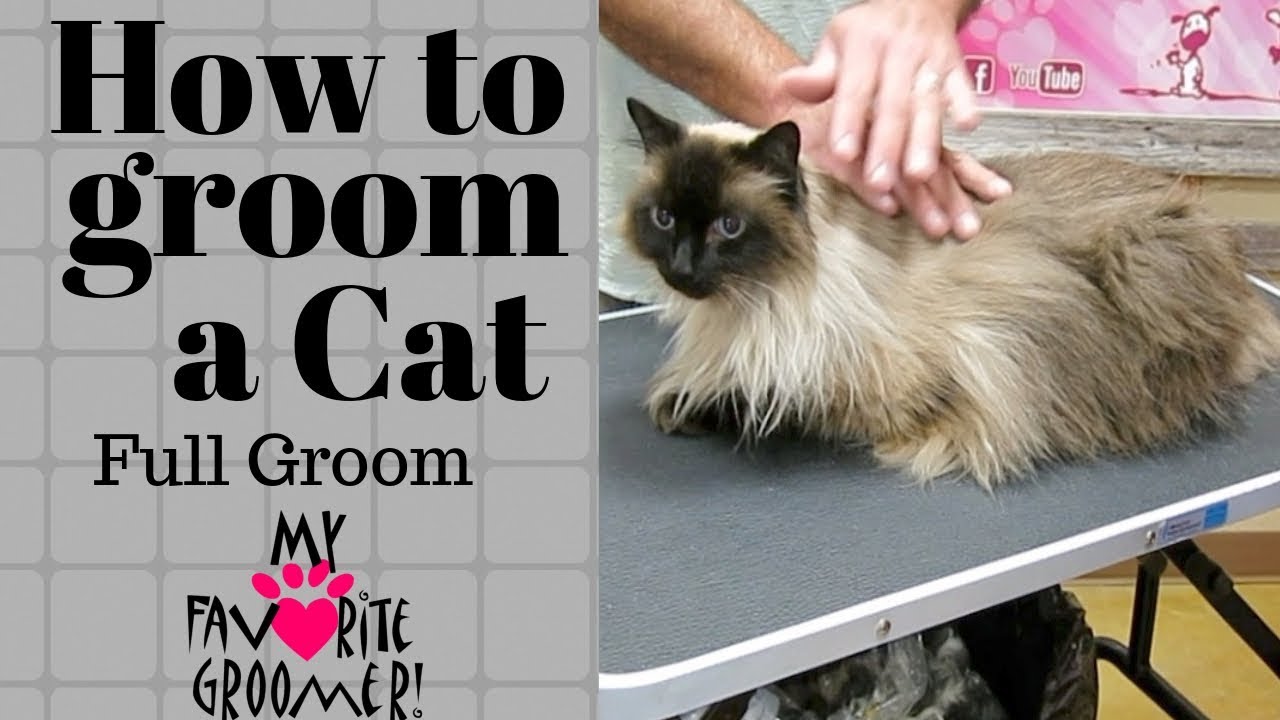
Grooming a cat is an essential part of keeping your feline friend healthy, comfortable, and happy. Unlike dogs, many cats are naturally fastidious about their hygiene, often spending hours each day cleaning themselves. However, despite their efforts, cats still require assistance from their owners to maintain a healthy coat, skin, and overall well-being. Grooming is not just about aesthetics; it helps prevent hairballs, matting, skin infections, and can even be an important bonding experience between you and your cat. In this article, we will explore step by step how to groom a cat at home effectively and safely.
Understanding Cat Grooming
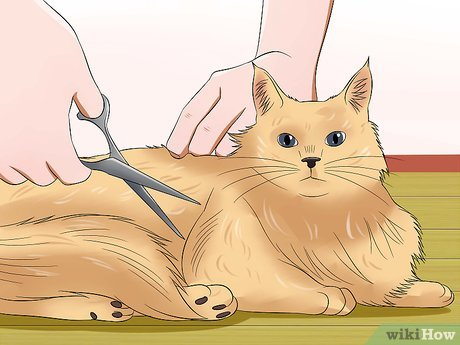
Before diving into the actual grooming process, it’s important to understand why grooming is necessary. Cats shed fur regularly, and long-haired breeds are particularly prone to tangles and mats. Regular grooming helps to:
- Remove loose hair: Reducing shedding around your home and preventing hairballs.
- Prevent mats and tangles: Mats can be painful and even lead to skin infections.
- Keep skin healthy: Grooming stimulates blood flow and distributes natural oils across the fur.
- Check for health issues: Grooming gives you the chance to inspect your cat for lumps, bumps, skin irritation, or parasites.
Cats may be independent creatures, but they greatly benefit from the extra care that grooming provides.
Essential Tools for Grooming at Home
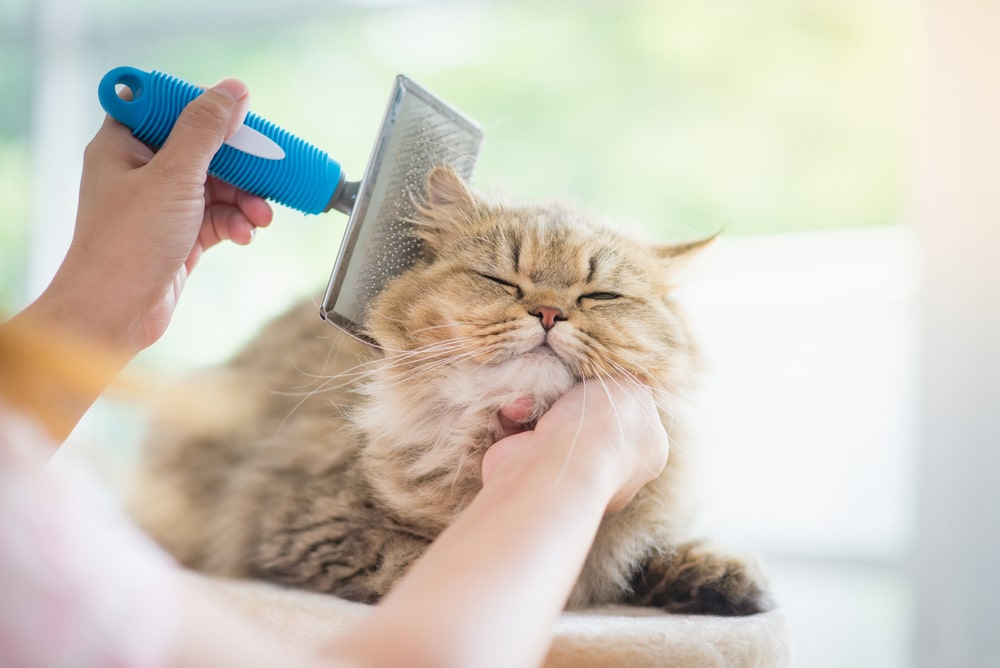
To groom a cat properly, you need to have the right tools. Here are the essentials:
- Brushes and Combs:
- Bristle brush: Ideal for short-haired cats to remove loose fur.
- Slicker brush: Perfect for long-haired cats to untangle knots gently.
- Metal comb: Useful for checking mats close to the skin.
- Bristle brush: Ideal for short-haired cats to remove loose fur.
- Nail Clippers:
- A sharp pair of cat-specific nail clippers is necessary to avoid splitting or damaging nails.
- A sharp pair of cat-specific nail clippers is necessary to avoid splitting or damaging nails.
- Grooming Wipes or Damp Cloths:
- For cleaning areas around the face, paws, or any dirty spots on the fur.
- For cleaning areas around the face, paws, or any dirty spots on the fur.
- Shampoo (Optional):
- Only use cat-safe shampoo if a bath is required. Avoid human shampoos as they can irritate a cat’s skin.
- Only use cat-safe shampoo if a bath is required. Avoid human shampoos as they can irritate a cat’s skin.
- Towels:
- Soft towels are necessary if you plan to bathe your cat or to wrap them during grooming to keep them calm.
- Soft towels are necessary if you plan to bathe your cat or to wrap them during grooming to keep them calm.
- Treats:
- Positive reinforcement is key. Treats help your cat associate grooming with a pleasant experience.
- Positive reinforcement is key. Treats help your cat associate grooming with a pleasant experience.
Preparing Your Cat for Grooming
Grooming should be a calm and stress-free experience. Start by preparing both yourself and your cat:
- Choose the right time: Groom when your cat is relaxed, often after a nap or meal.
- Create a comfortable space: A quiet, well-lit area with no distractions works best.
- Gather your tools: Have all brushes, combs, towels, and treats within reach.
- Introduce gradually: If your cat is new to grooming, start with short sessions and gradually increase the time.
Patience is crucial; forcing your cat can lead to scratches, bites, and a fear of grooming in the future.
Step-by-Step Guide to Grooming Your Cat
1. Brushing Your Cat
Brushing is the most important part of grooming. Here’s how to do it effectively:
- Start gently: Use a soft brush and begin with gentle strokes. Start from the head and move toward the tail.
- Follow the fur direction: Brush in the direction the fur naturally grows to prevent discomfort.
- Focus on problem areas: Pay special attention to areas prone to mats, such as behind the ears, under the armpits, and around the neck.
- Use a comb for tangles: If you encounter knots, use a metal comb to gently untangle them. Never pull harshly, as this can hurt your cat.
Tip: Short-haired cats usually need brushing once a week, while long-haired breeds may require daily brushing to prevent mats.
2. Bathing Your Cat
Bathing is not always necessary, as most cats groom themselves. However, there are times when a bath is required, such as when your cat gets into something sticky or dirty. Follow these steps:
- Use lukewarm water: Cats are sensitive to temperature, so make sure the water is comfortable.
- Use cat-safe shampoo: Avoid human or dog shampoos. Apply a small amount and lather gently.
- Rinse thoroughly: Make sure no shampoo residue remains, as it can irritate the skin.
- Dry gently: Use a soft towel to dry your cat. Some cats tolerate a hairdryer on the lowest setting, but many prefer towel-drying alone.
Tip: Only bathe a cat when necessary. Frequent bathing can strip natural oils from the fur, causing dryness.
3. Nail Trimming
Regular nail trimming prevents overgrown nails and reduces the risk of scratches:
- Hold your cat securely: Wrap your cat in a towel if they are squirmy.
- Identify the quick: The pink area inside the nail contains blood vessels; avoid cutting it.
- Trim small amounts: Cut just the sharp tip of each nail.
- Reward your cat: Always offer treats or praise after each nail-trimming session.
Tip: Trim nails every 2-4 weeks depending on your cat’s growth rate.
4. Cleaning Ears and Eyes
Ear and eye hygiene is important but should be done carefully:
- Ears: Use a damp cotton ball or a cat-specific ear cleaner to gently wipe the outer ear. Never insert anything deep into the ear canal.
- Eyes: Wipe away discharge with a damp cloth, using a separate area of the cloth for each eye to avoid infections.
Tip: Regular inspection helps detect infections early.
5. Checking for Health Issues
Grooming is a perfect opportunity to perform a basic health check:
- Look for lumps, bumps, or sores on the skin.
- Check for fleas or ticks.
- Monitor the condition of the teeth and gums.
Early detection of problems makes treatment easier and more effective.
Tips for Making Grooming Easier
- Positive reinforcement: Treats, praise, and gentle petting help your cat enjoy grooming.
- Short sessions: Especially for anxious cats, 5-10 minutes is enough to prevent stress.
- Routine: Consistency helps your cat become accustomed to grooming.
- Use proper tools: High-quality brushes and clippers make the process smoother.
- Stay calm: Cats sense your mood; being relaxed helps your cat stay calm too.
Special Considerations for Long-Haired Cats
Long-haired cats, such as Persians or Maine Coons, require extra attention:
- Brush daily to prevent tangles and mats.
- Pay attention to the belly, armpits, and behind ears, as these areas mat quickly.
- Consider trimming fur around sanitary areas to keep your cat clean.
Regular grooming reduces hairballs, keeps the coat shiny, and prevents painful matting.
Common Grooming Mistakes to Avoid
- Forcing your cat: This can lead to fear and aggression.
- Using the wrong tools: Brushes that are too stiff can hurt the skin.
- Neglecting nail care: Overgrown nails can cause discomfort or injury.
- Bathing too frequently: Excessive bathing can dry out the skin and coat.
Avoiding these mistakes ensures that grooming is a positive experience for both you and your cat.
Conclusion
Grooming a cat at home is more than just maintaining appearance; it is an essential part of their health and well-being. By following the steps outlined in this guide, you can keep your cat’s coat clean, prevent hairballs and mats, and strengthen your bond with your feline companion. Start slow, use the right tools, and make grooming a positive experience, and you will both enjoy the process. A well-groomed cat is not only healthier but also happier, making your home a more pleasant environment for everyone.
