

Cats are often seen as self-sufficient animals, meticulously grooming themselves throughout the day. However, even the most fastidious feline benefits from a little help from their human companions. Regular grooming not only keeps your cat’s coat clean and free of tangles but also contributes to their overall health, reduces shedding, and strengthens the bond between you and your pet. To do this effectively, having the right feline grooming tools is essential. This guide will explore the most important grooming tools, their uses, and tips for maintaining your cat’s coat.
Why Grooming is Important for Cats
Grooming is more than a beauty routine for cats; it plays a critical role in their health. Here’s why regular grooming matters:
- Reduces Hairballs: Cats naturally ingest loose hair while grooming themselves, which can lead to hairballs. Brushing removes loose fur before your cat swallows it, helping to minimize hairballs.
- Prevents Matting: Long-haired cats, in particular, are prone to tangles and mats. Mats can be painful, trap dirt, and lead to skin infections if not addressed.
- Promotes Healthy Skin and Coat: Regular brushing stimulates natural oil production, which keeps the skin moisturized and the fur shiny.
- Early Detection of Health Issues: While grooming, you may notice lumps, bumps, or skin irritations that could indicate health problems. Early detection can be crucial.
- Bonding Time: Grooming is a shared activity that strengthens the bond between you and your cat, offering comfort and trust.
Having the right tools makes this process easier and more effective, ensuring your cat stays healthy and happy.
Essential Feline Grooming Tools
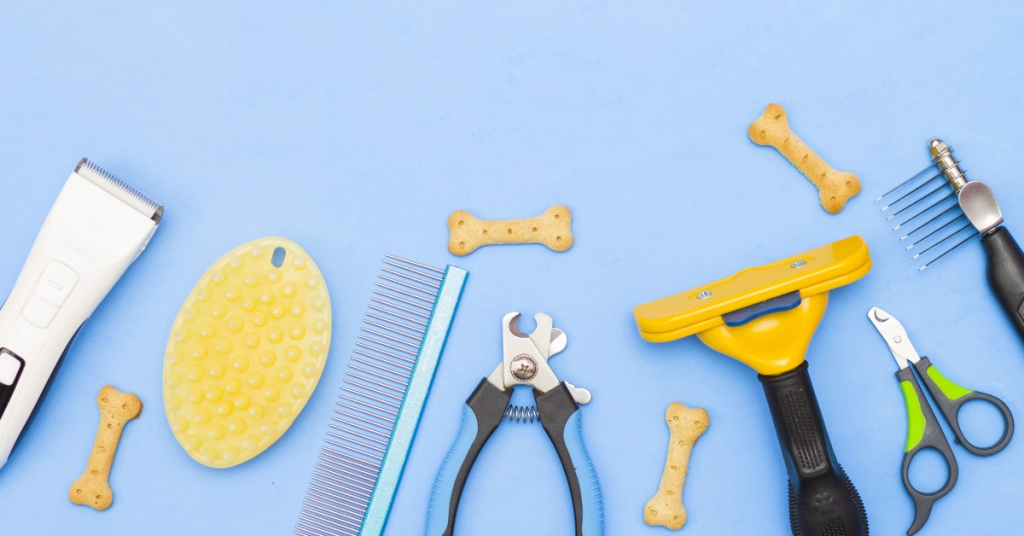
Cats come in all shapes, sizes, and coat types, so it’s important to choose grooming tools that suit your feline’s specific needs. Here are the most essential tools every cat owner should consider:
1. Slicker Brush
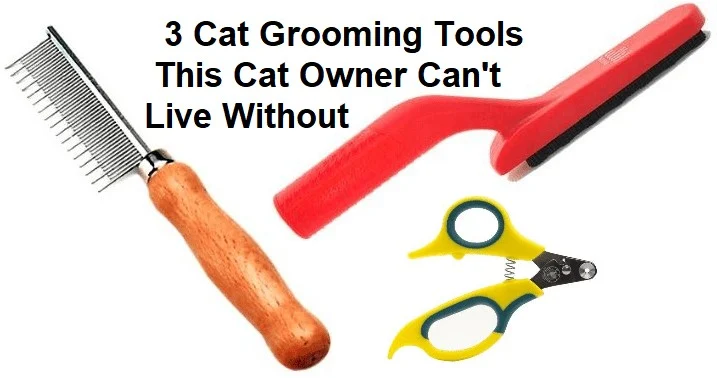
A slicker brush is a flat brush with fine, short wires close together. It is highly effective at removing loose hair, dirt, and tangles from the coat, especially in medium to long-haired cats.
- Usage Tips: Brush in the direction of hair growth, using gentle strokes to avoid scratching your cat’s skin. Focus on areas prone to matting, like under the legs, around the neck, and behind the ears.
2. Comb
A metal comb is a versatile tool for finishing a grooming session. Combs help detect small mats, remove loose fur, and check for fleas or skin irregularities.
- Usage Tips: Use wide-toothed combs for detangling and fine-toothed combs for removing loose hair. Regular combing keeps the coat smooth and reduces shedding.
3. Grooming Gloves
Grooming gloves are designed with rubber tips or bristles that help remove loose hair while petting your cat. They are particularly useful for cats who dislike traditional brushes.
- Usage Tips: Gently stroke your cat with the glove, focusing on areas where they shed the most. Gloves are also great for cats that enjoy interactive grooming sessions.
4. Nail Clippers
Regular nail trimming is essential to prevent overgrowth, which can cause discomfort and even injury.
- Usage Tips: Only trim the sharp tip of the nail, avoiding the quick, which contains blood vessels. If your cat is anxious, trim one or two nails at a time and offer treats as encouragement.
5. De-shedding Tools
De-shedding tools, such as specialized brushes or rakes, are designed to remove loose undercoat fur without damaging the topcoat. These are especially helpful during shedding season.
- Usage Tips: Use gentle strokes along the natural direction of the fur. Avoid over-brushing, which can irritate the skin.
6. Cat Shampoo and Conditioner
While cats groom themselves, occasional baths may be necessary for particularly dirty or oily coats. Using cat-specific shampoo ensures the product is gentle on sensitive feline skin.
- Usage Tips: Avoid human shampoos, as they can disrupt a cat’s skin pH. Wet the coat thoroughly, apply shampoo, rinse well, and dry with a soft towel.
7. Ear and Eye Care Tools
Ear and eye health is often overlooked during grooming. Cotton balls or pads and specialized feline ear cleaning solutions help keep these areas clean.
- Usage Tips: Gently wipe the outer ear and around the eyes, avoiding deep insertion into the ear canal. Regular checks can prevent infections.
8. Toothbrushes and Toothpaste
Dental hygiene is part of overall grooming. Special toothbrushes and cat-safe toothpaste can help prevent plaque buildup and bad breath.
- Usage Tips: Start slowly, allowing your cat to get used to the toothbrush. Brush in small, circular motions a few times a week for optimal dental health.
Grooming by Coat Type
Different cats have different grooming needs depending on their coat type. Understanding these differences helps in selecting the right tools.
- Short-Haired Cats: Require minimal grooming. A slicker brush or grooming glove a few times a week is usually sufficient.
- Long-Haired Cats: Need daily brushing to prevent mats and tangles. A combination of a slicker brush and wide-toothed comb works best.
- Curly or Hairless Cats: Even cats with little or no fur benefit from grooming. Curly-coated cats may need a soft brush, while hairless cats require gentle wiping to remove oils from their skin.
Grooming Tips for a Stress-Free Experience
Cats can be sensitive during grooming, so it’s important to make the experience positive and stress-free. Here are some tips:
- Start Young: Introduce grooming early to make it a normal part of your cat’s routine.
- Create a Calm Environment: Choose a quiet space, free of distractions, to groom your cat.
- Use Gentle Motions: Avoid pulling or tugging on hair. Gentle brushing is more effective and less stressful.
- Short Sessions: Keep grooming sessions short initially, gradually increasing the duration as your cat becomes comfortable.
- Positive Reinforcement: Offer treats, praise, and affection to make grooming a rewarding experience.
- Check for Signs of Discomfort: If your cat shows signs of pain or anxiety, pause and try again later.
Maintaining Grooming Tools
Just like grooming itself, maintaining your tools is important for hygiene and effectiveness:
- Clean Brushes and Combs: Remove hair and debris after each session. Wash periodically with mild soap and water.
- Sharpen or Replace Clippers: Dull blades can hurt your cat. Ensure nail clippers are sharp and in good condition.
- Store Properly: Keep grooming tools in a dry, clean area to prevent rust or contamination.
The Benefits of Consistent Grooming
Regular grooming with the right tools offers many long-term benefits for both cats and their owners:
- Reduced Shedding: Minimizes hair around the home.
- Healthier Skin and Coat: Keeps the fur shiny and the skin moisturized.
- Early Health Detection: Allows early identification of skin conditions, lumps, or parasites.
- Strengthened Bond: Builds trust and improves the relationship between cat and owner.
- Stress Reduction: Many cats find gentle grooming soothing, helping to calm anxious or hyperactive cats.
Conclusion
Investing time and effort into grooming your cat is a vital part of responsible pet ownership. With the right feline grooming tools, you can make the process effective, enjoyable, and safe for your furry friend. From brushes and combs to nail clippers and dental tools, each item plays a specific role in maintaining your cat’s health and comfort. By tailoring your grooming routine to your cat’s coat type and personality, you not only keep them looking great but also promote overall well-being and happiness.
A well-groomed cat is not just a beautiful cat—it is a healthy, comfortable, and content companion. With patience, consistency, and the proper tools, grooming can become a rewarding ritual for both you and your feline friend.
