

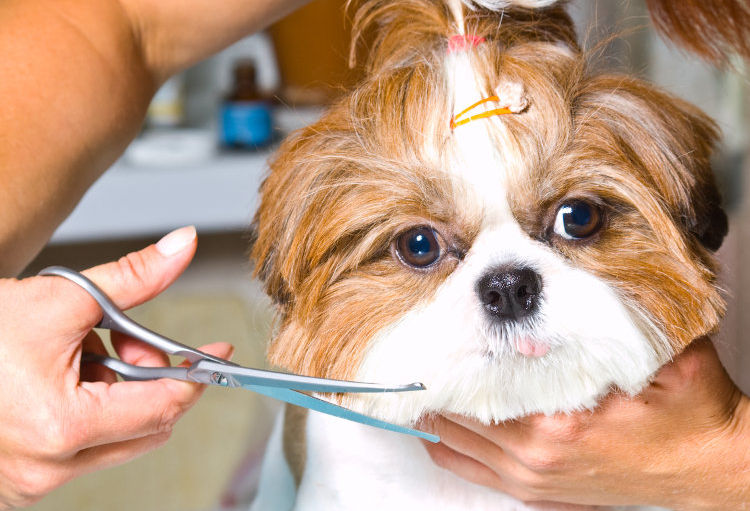
Grooming is an essential part of caring for your dog, and one of the most significant aspects of grooming is the haircut. A proper dog haircut not only keeps your dog looking adorable but also plays a crucial role in maintaining their health and comfort. This article will explore everything you need to know about dog haircuts, from styles to techniques, and tips for keeping your dog happy during grooming.
Why Dog Haircuts Are Important
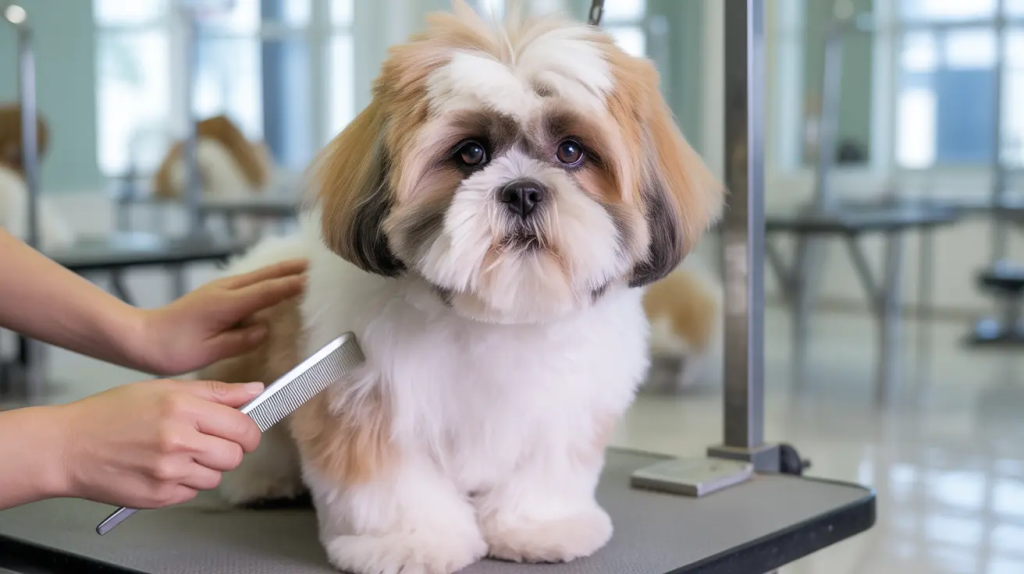
Dog haircuts are not just about aesthetics; they serve practical purposes as well. Here are some reasons why regular haircuts are vital for your dog:
- Health and Hygiene: Long, unkempt fur can trap dirt, debris, and parasites, leading to skin infections. Regular haircuts help prevent these issues.
- Comfort: Dogs can overheat if their coat becomes too thick, especially in warmer climates. A well-trimmed coat helps regulate body temperature.
- Reduced Shedding: Proper grooming and haircuts can minimize shedding around your home.
- Prevention of Matting: Matted fur can be painful and may restrict movement. Regular haircuts prevent tangles and mats.
- Enhanced Appearance: A stylish haircut can highlight your dog’s features and give them a neat, clean look.
Popular Dog Haircut Styles
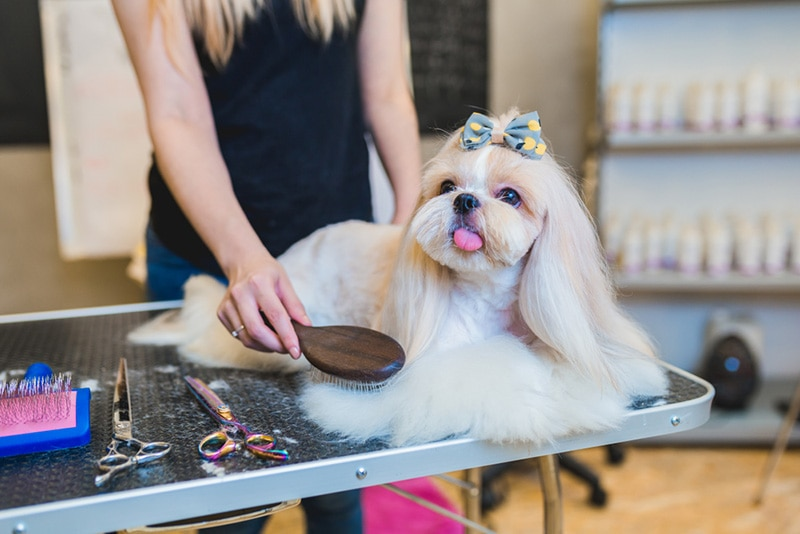
Different dog breeds have different grooming needs, and haircut styles can vary widely. Here are some common dog haircut styles:
1. Puppy Cut
The puppy cut is one of the most popular and versatile styles. It involves trimming the dog’s fur to a uniform length, usually around 1–2 inches. This style keeps the dog looking cute while being easy to maintain.
2. Lion Cut
The lion cut is often used for long-haired breeds like the Pomeranian. The fur on the body is trimmed short, while the fur around the neck and head is left longer, resembling a lion’s mane. This style is both functional and eye-catching.
3. Teddy Bear Cut
The teddy bear cut gives your dog a fluffy and rounded appearance, resembling a stuffed toy. The face is rounded, and the body is trimmed evenly. It is a favorite among small breeds like Shih Tzus and Bichon Frises.
4. Top Knot
The top knot involves pulling hair from the top of the head into a small ponytail or bun, often combined with a longer body haircut. This style is popular for breeds like the Yorkshire Terrier.
5. Breed-Specific Cuts
Certain breeds have standard haircut styles recognized in dog shows. For example, Poodles often have the Continental or English Saddle clips, and Schnauzers have the classic Schnauzer cut. These styles require professional grooming skills.
Tools for Dog Haircuts
Having the right tools is crucial for giving your dog a safe and effective haircut. Here are some essential grooming tools:
- Clippers: Electric clippers make trimming large areas of fur faster and more efficient.
- Scissors: Grooming scissors are used for precision trimming, especially around the face, paws, and ears.
- Comb and Brush: Brushing before a haircut helps remove tangles and mats, making cutting easier.
- Nail Clippers: While trimming fur, it’s also a good time to check and trim nails.
- Shampoo and Conditioner: Clean fur is easier to cut and style.
Preparing Your Dog for a Haircut
Before giving your dog a haircut, preparation is key to ensure a stress-free experience:
- Brush Thoroughly: Remove all mats and tangles to prevent pulling and discomfort during the haircut.
- Bathing: A clean dog is easier to groom, and washing removes dirt and excess oils from the coat.
- Choose a Calm Environment: Dogs can become anxious, so select a quiet and comfortable space for grooming.
- Introduce Tools Gradually: If your dog is new to grooming, allow them to get familiar with clippers and scissors first.
- Reward System: Use treats and praise to create a positive association with grooming.
Step-by-Step Guide to Dog Haircuts
Here’s a general guide to trimming your dog’s fur at home:
1. Start with Clean, Dry Fur
Bath your dog and dry the coat thoroughly. Wet fur can lead to uneven cutting.
2. Brush the Fur
Brush your dog to remove tangles and mats. Mats should be carefully cut out if brushing alone doesn’t work.
3. Trim Around Sensitive Areas
Begin with the face, paws, and ears. Use scissors for precision trimming to avoid accidental cuts.
4. Use Clippers for the Body
Clippers are ideal for trimming the back, sides, and belly. Move in the direction of hair growth for an even cut.
5. Check for Evenness
Constantly check your dog from different angles to ensure the haircut is balanced.
6. Finish with Final Touches
Trim any stray hairs, and smooth the coat with a brush. Make sure your dog is comfortable and happy with the result.
Tips for a Successful Dog Haircut
- Be Patient: Dogs may move or become anxious. Take breaks if needed.
- Regular Grooming: Frequent trims prevent overgrowth and make haircuts easier over time.
- Know Your Dog’s Breed: Research breed-specific grooming needs to choose the appropriate style.
- Safety First: Avoid cutting too close to the skin and use blunt-edged scissors for safety.
- Professional Help: If your dog is anxious or has complicated grooming needs, consult a professional groomer.
Common Mistakes to Avoid
- Skipping Brushing: Cutting matted fur can hurt your dog.
- Rushing the Process: Quick haircuts may result in uneven fur or cuts.
- Ignoring Health Issues: Check for skin infections or parasites before grooming.
- Overheating Clippers: Clippers can get hot and burn your dog’s skin; take breaks during long grooming sessions.
Maintaining Your Dog’s Haircut
After the initial haircut, maintenance is essential for keeping your dog’s fur healthy:
- Regular Brushing: Keeps fur tangle-free and shiny.
- Bathing: Wash your dog every 4–6 weeks depending on coat type.
- Trimming Paws and Face: Regular touch-ups prevent fur from obstructing vision or getting dirty.
- Check for Health Issues: Grooming time is a good opportunity to inspect for lumps, bumps, or skin issues.
Conclusion
A proper dog haircut is much more than a cosmetic choice; it is an essential part of your dog’s overall well-being. By understanding your dog’s grooming needs, selecting the right style, and using the proper techniques, you can ensure that your furry friend remains healthy, comfortable, and looking their best. Whether you choose a professional groomer or decide to cut your dog’s hair at home, patience, care, and consistency are key to a successful grooming experience.
A well-groomed dog is not only more comfortable but also happier, healthier, and a joy to be around. Taking the time to learn about dog haircuts is an investment in your pet’s happiness and longevity.
