

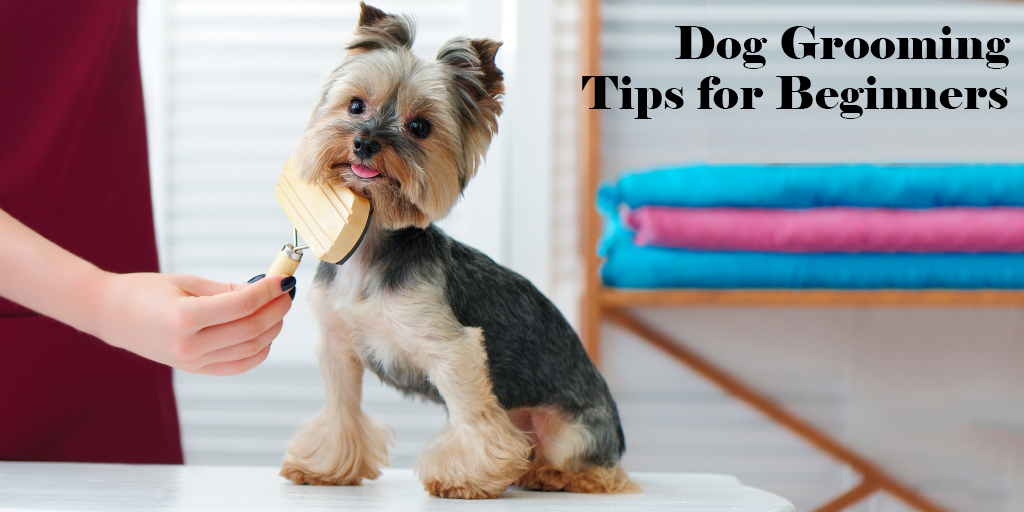
Dog grooming is an essential part of responsible pet ownership. For beginners, grooming may seem overwhelming at first, but with the right knowledge, tools, and patience, it can become an enjoyable and bonding experience between you and your dog. Grooming is not just about making your dog look good; it also helps maintain their health, comfort, and overall well-being. This guide provides practical and easy-to-follow dog grooming tips for beginners to help you get started with confidence.
Why Dog Grooming Is Important
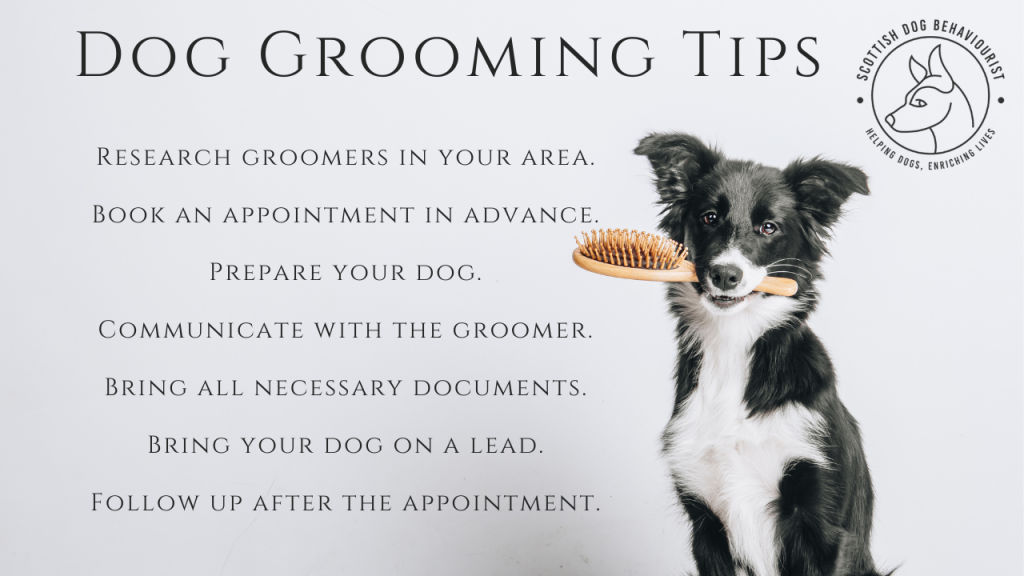
Regular grooming helps keep your dog clean, healthy, and happy. It allows you to detect early signs of health issues such as skin infections, parasites, lumps, or injuries. Grooming also reduces shedding, prevents matting, and keeps your dog smelling fresh. For dogs with long or thick coats, grooming is especially important to avoid discomfort and skin problems.
In addition to physical benefits, grooming strengthens the emotional bond between you and your dog. When done gently and positively, grooming helps your dog feel relaxed and secure around you.
Understanding Your Dog’s Coat Type
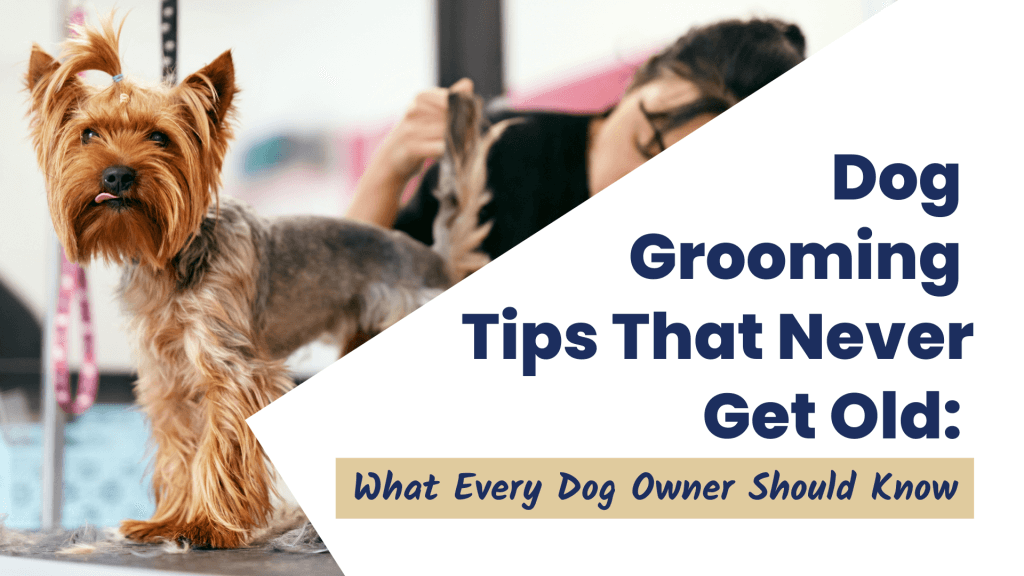
Before starting grooming, it is important to understand your dog’s coat type. Different coats require different grooming techniques and frequencies.
Short-coated dogs usually need minimal grooming, such as weekly brushing and occasional baths. Long-coated dogs require frequent brushing to prevent tangles and mats. Curly or wiry coats often need specialized grooming, including trimming. Double-coated dogs shed heavily and benefit from regular brushing to remove loose undercoat hair.
Knowing your dog’s coat type will help you choose the right tools and grooming routine.
Essential Grooming Tools for Beginners
Having the right grooming tools makes the process easier and safer. Beginners should invest in basic, good-quality grooming equipment.
A suitable brush or comb is essential. Slicker brushes work well for removing tangles, while bristle brushes are ideal for short coats. A wide-tooth comb helps detangle long fur gently.
Dog-specific shampoo is another must-have. Human shampoos can irritate a dog’s skin, so always use products designed for dogs.
Nail clippers or grinders are needed for trimming nails. Choose tools that feel comfortable in your hand and are appropriate for your dog’s size.
You may also need grooming scissors, towels, cotton pads, and ear-cleaning solutions. Keeping these tools organized will make grooming sessions smoother.
Creating a Calm Grooming Environment
For beginners, creating a calm and comfortable grooming environment is very important. Choose a quiet space where your dog feels safe and relaxed. Avoid grooming when your dog is overly excited or anxious.
Start grooming sessions when your dog is calm, such as after a walk or playtime. Speak softly, use gentle movements, and reward your dog with praise or treats. Short and positive grooming sessions help your dog build trust and reduce fear.
Patience is key. Never force your dog into grooming, as this can create long-term anxiety.
Brushing Your Dog Properly
Brushing is one of the most important grooming steps. It removes dirt, loose hair, and prevents tangles and mats.
Begin brushing gently, especially if your dog is new to grooming. Always brush in the direction of hair growth. Pay extra attention to areas prone to matting, such as behind the ears, under the legs, and around the neck.
For beginners, brushing a few minutes daily or several times a week is better than long, stressful sessions. Regular brushing also improves blood circulation and keeps the coat shiny.
Bathing Your Dog the Right Way
Bathing is necessary, but overbathing can harm your dog’s skin. Most dogs only need a bath every few weeks unless they get dirty or smelly.
Before bathing, brush your dog to remove loose fur and tangles. Use lukewarm water and dog shampoo. Avoid getting water or shampoo in your dog’s eyes and ears.
Gently massage the shampoo into the coat and rinse thoroughly, as leftover shampoo can cause irritation. Dry your dog with a towel and keep them warm until fully dry.
Beginners should keep bath time calm and quick to avoid stress.
Nail Trimming Tips for Beginners
Trimming your dog’s nails can be intimidating for beginners, but it is an important grooming task. Overgrown nails can cause pain, difficulty walking, and joint problems.
Trim small amounts at a time to avoid cutting the quick, which can bleed and cause pain. If your dog has dark nails, trim slowly and carefully.
If your dog is nervous, start by touching and handling their paws regularly to build comfort. Nail trimming does not have to be done all at once; you can trim one or two nails per session.
Cleaning Your Dog’s Ears Safely
Ear cleaning helps prevent infections and discomfort. Some dogs need regular ear cleaning, especially those with floppy ears.
Use a dog-safe ear-cleaning solution and cotton pads. Never insert anything deep into the ear canal. Gently wipe the visible parts of the ear to remove dirt and wax.
If you notice redness, bad odor, or excessive scratching, consult a veterinarian instead of cleaning aggressively.
Dental Care for Dogs
Dental hygiene is often overlooked by beginners, but it is crucial for your dog’s health. Poor dental care can lead to gum disease, bad breath, and infections.
Use a dog toothbrush and dog toothpaste. Never use human toothpaste, as it can be harmful. Start slowly by letting your dog get used to the taste and sensation.
Brushing your dog’s teeth a few times a week can make a big difference. Dental chews and toys can also support oral health.
Handling Shedding and Matting
Shedding is natural for most dogs, but regular grooming helps control it. Brushing frequently removes loose hair and reduces fur around the home.
Matting occurs when hair becomes tangled and knotted, causing discomfort. Beginners should never pull or cut mats aggressively. Gently work through small mats with a comb or seek professional help if mats are severe.
Preventing mats through regular brushing is easier than removing them later.
Grooming Puppies vs. Adult Dogs
Puppy grooming should focus on building positive experiences rather than perfection. Introduce grooming tools slowly and keep sessions short.
Let puppies explore brushes, clippers, and sounds to reduce fear. Praise and reward calm behavior.
Adult dogs may take longer to adjust if they are new to grooming, but patience and consistency will help them adapt.
Common Grooming Mistakes Beginners Should Avoid
Many beginners make mistakes that can cause stress or discomfort for their dogs. Avoid rushing grooming sessions or being too rough.
Never use sharp tools without proper knowledge. Avoid shaving dogs that are not meant to be shaved, as this can damage their coat and skin.
Ignoring signs of discomfort or fear can make grooming harder over time. Always prioritize your dog’s comfort and safety.
When to Seek Professional Grooming Help
While home grooming is beneficial, some situations require professional groomers. Dogs with complex coats, severe matting, or behavioral issues may benefit from expert care.
Professional grooming can also help beginners learn proper techniques and routines. Combining home grooming with occasional professional visits is often the best approach.
Building a Regular Grooming Routine
Consistency is the key to successful dog grooming. Create a routine that fits your dog’s needs and your schedule.
Regular grooming makes each session easier and more enjoyable. Over time, your dog will become comfortable and even look forward to grooming sessions.
A consistent routine ensures your dog stays clean, healthy, and happy.
Conclusion
Dog grooming for beginners does not have to be difficult or stressful. With patience, the right tools, and a positive approach, grooming can become a rewarding experience for both you and your dog. Grooming is not only about appearance but also about maintaining your dog’s health and comfort.
By understanding your dog’s needs, practicing regularly, and avoiding common mistakes, you can confidently groom your dog at home. As you gain experience, grooming will feel more natural and enjoyable, strengthening the bond you share with your furry companion.
