

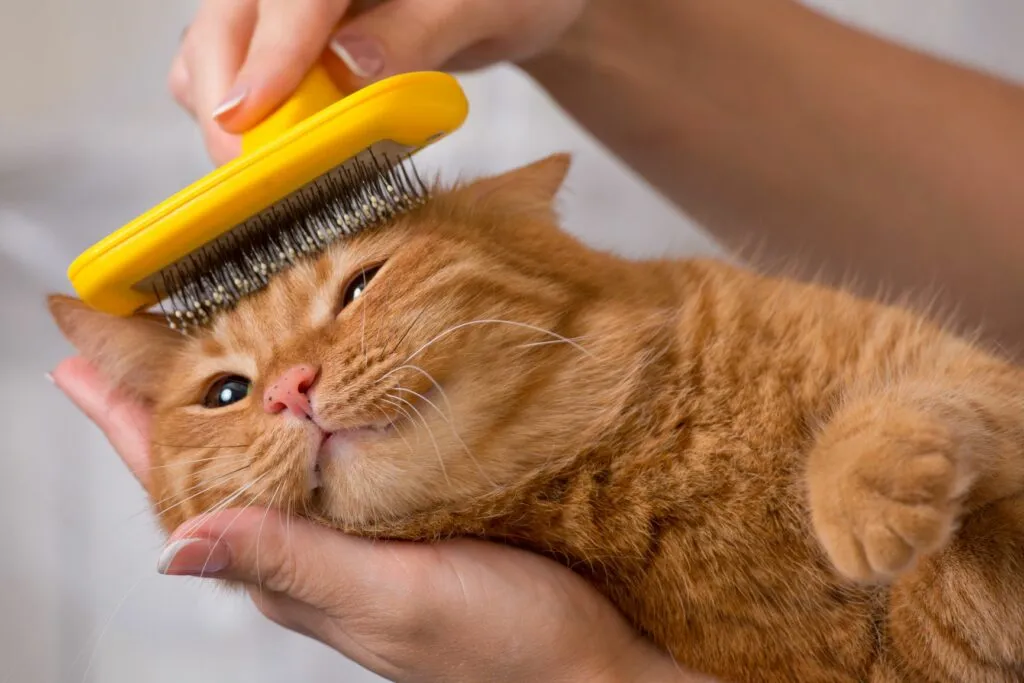
Cats are among the most beloved pets worldwide, cherished for their playful personalities, independent nature, and soft, luxurious fur. However, maintaining a cat’s coat goes beyond simply admiring it. Proper cat hair care is essential for their health, comfort, and overall well-being. Neglecting their fur can lead to matting, hairballs, skin issues, and even behavioral problems. This article delves into the best practices for cat hair care, the types of grooming tools, and tips for ensuring your feline remains healthy and happy.
Understanding Cat Fur
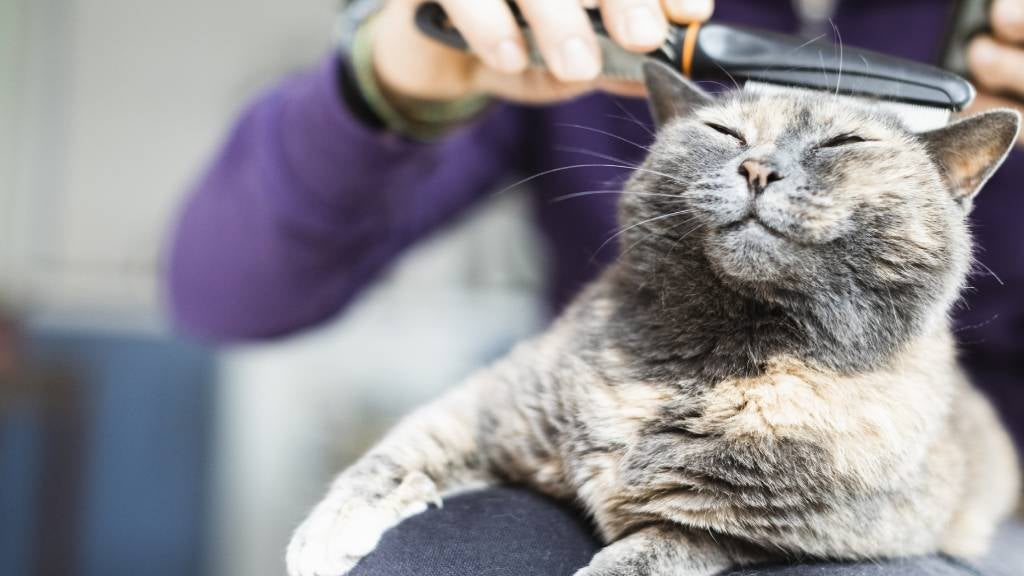
Cats have unique fur that serves multiple purposes. Their coat helps regulate body temperature, protects their skin, and acts as a barrier against injuries and infections. There are generally three types of cat fur:
- Short-haired Cats: Breeds like the Siamese or American Shorthair have fine, short fur that requires minimal grooming. While their maintenance is relatively easier, they still need regular brushing to reduce shedding and prevent hairballs.
- Long-haired Cats: Breeds like the Maine Coon or Persian have long, flowing fur that is more prone to tangles and matting. Regular grooming is crucial to prevent discomfort and skin infections.
- Double-coated Cats: Some cats have a dense undercoat beneath a softer topcoat. Breeds like the Ragdoll or Norwegian Forest Cat fall into this category. These cats require more frequent brushing, especially during seasonal shedding periods.
Understanding your cat’s fur type is the first step toward effective hair care. Each coat type demands different grooming techniques and tools.
Why Cat Hair Care Matters
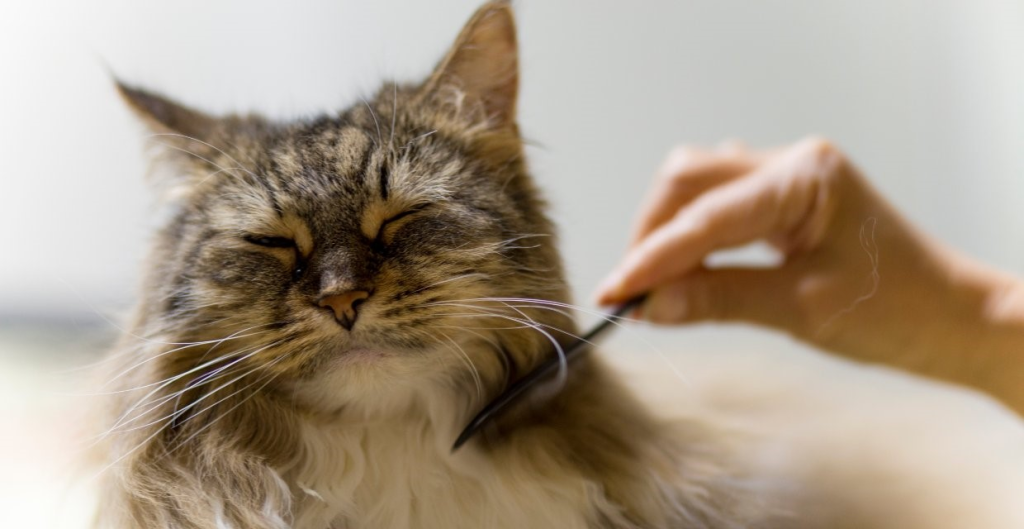
Proper cat hair care is not just about aesthetics. It significantly impacts your cat’s health:
- Preventing Hairballs: Cats groom themselves by licking their fur, ingesting loose hair in the process. Excess hair in the digestive tract can form hairballs, causing vomiting and discomfort. Regular brushing reduces loose fur and minimizes hairball formation.
- Avoiding Matting: Mats can form when hair becomes tangled and tight, pulling on the skin. Severe matting can cause pain, restrict movement, and even lead to skin infections.
- Skin Health: Grooming stimulates blood circulation and distributes natural oils across the fur. This keeps the skin moisturized and the coat shiny.
- Monitoring Health Issues: While grooming, you can check for abnormalities like lumps, rashes, or parasites. Early detection can prevent minor problems from escalating into serious health concerns.
Grooming Tools for Cat Hair Care
A variety of grooming tools are available, and choosing the right one depends on your cat’s fur type and temperament:
- Brushes: Brushing is the most basic and essential part of hair care. A soft-bristle brush is suitable for short-haired cats, while a slicker brush is ideal for long-haired or thick-coated cats. Regular brushing prevents tangles and reduces shedding.
- Combs: Metal combs help remove tangles and mats, particularly in long-haired breeds. Wide-tooth combs work well for initial detangling, while fine-tooth combs help catch loose hairs.
- Deshedding Tools: These specialized tools are designed to reach the undercoat and remove loose fur effectively. They are especially helpful for double-coated cats that shed heavily.
- Grooming Gloves: Gloves with soft bristles allow you to groom your cat while petting them, making the experience enjoyable and less stressful.
Consistency in grooming is more important than the type of tool. Cats adapt to regular grooming sessions over time, and it can even become a bonding activity between you and your feline friend.
How to Groom Your Cat
Grooming is not just about brushing. It involves several steps to maintain overall coat health:
- Brushing: Start by gently brushing your cat in the direction of fur growth. Short-haired cats can be brushed a few times a week, while long-haired cats may require daily grooming. Use smooth, gentle strokes to avoid hurting your cat or causing stress.
- Checking for Mats: Long-haired cats are prone to matting, particularly behind the ears, under the legs, and around the neck. If you find small tangles, gently work them out with your fingers or a comb. Avoid cutting mats yourself, as it may accidentally injure your cat.
- Bathing: Most cats groom themselves effectively, so bathing is rarely necessary. However, if your cat gets into something sticky or dirty, use a cat-specific shampoo. Make sure the water is lukewarm and rinse thoroughly to avoid skin irritation.
- Clipping Nails: While not directly related to fur, trimming your cat’s nails during grooming helps prevent accidental scratches during brushing and keeps your cat comfortable.
- Ear and Eye Care: While grooming, check your cat’s ears and eyes. Remove dirt or discharge with a damp cloth. Healthy ears and eyes are indicators of overall well-being.
Nutrition and Its Role in Cat Hair Care
A cat’s diet has a significant impact on the condition of its fur. High-quality food rich in protein, omega-3, and omega-6 fatty acids helps maintain a shiny and healthy coat. Poor nutrition can lead to dry, brittle fur, excessive shedding, or skin problems. Supplements should only be used if recommended by a veterinarian. Fresh water is equally important, as hydration affects skin and coat health.
Dealing with Shedding
Shedding is a natural process for all cats, but excessive shedding can be problematic. Here’s how to manage it:
- Regular Brushing: Brushing removes loose fur before it falls around your home.
- Seasonal Grooming: Cats often shed more during spring and fall. Increase grooming frequency during these periods.
- Diet and Hydration: Proper nutrition helps reduce excessive shedding.
- Cleaning Tools: Keep brushes and combs clean to maintain their effectiveness.
Common Hair Problems and Solutions
Even with proper care, cats may experience hair-related issues:
- Hairballs: Regular brushing reduces hair ingestion, and some cats may benefit from hairball-specific diets or treats.
- Dry or Dull Coat: This often indicates nutritional deficiencies, dehydration, or underlying health issues. A veterinarian can suggest dietary adjustments or supplements.
- Allergies or Skin Irritations: Allergens, fleas, or infections can affect the skin and coat. Identifying the cause and consulting a veterinarian is crucial.
- Matting: If mats become severe, professional grooming may be necessary. Attempting to cut mats yourself can be dangerous.
Tips for Stress-Free Grooming
Some cats resist grooming, making the process stressful for both pet and owner. Here are ways to make it easier:
- Start Early: Introduce grooming when cats are kittens to help them get accustomed.
- Be Gentle: Avoid pulling or yanking at tangles. Gentle, slow movements build trust.
- Positive Reinforcement: Reward your cat with treats or affection during and after grooming sessions.
- Short Sessions: Keep grooming sessions brief and gradually increase the duration as your cat becomes comfortable.
When to Consult a Veterinarian
Regular grooming can prevent many problems, but sometimes professional advice is necessary. Visit a veterinarian if you notice:
- Persistent hair loss or bald patches
- Severe matting or skin infections
- Excessive itching or scratching
- Changes in coat texture or color
Early intervention can prevent minor issues from becoming serious health concerns.
Conclusion
Cat hair care is an essential aspect of responsible pet ownership. A well-groomed coat is more than a sign of beauty; it reflects a cat’s overall health and well-being. By understanding your cat’s fur type, using appropriate grooming tools, maintaining a nutritious diet, and practicing regular grooming, you can ensure your feline friend remains healthy, comfortable, and happy. Grooming also strengthens the bond between you and your cat, turning what could be a routine chore into a cherished ritual. With patience, consistency, and attention, cat hair care can be a rewarding experience for both you and your beloved pet.
