

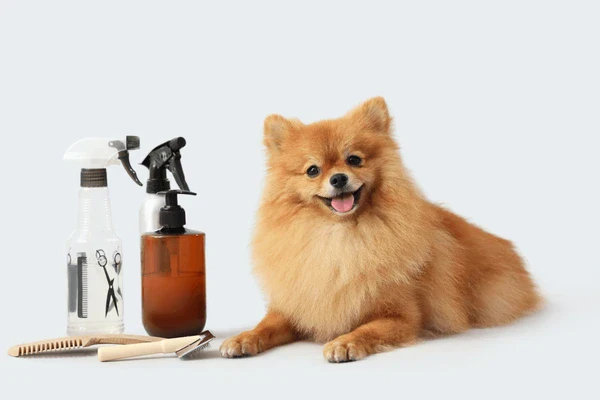
Maintaining proper hygiene for your canine companion is an essential part of responsible pet ownership. Dogs, much like humans, require regular care to prevent infections, skin issues, and other health problems. Canine hygiene is not only about keeping your dog clean but also about promoting overall wellness and enhancing the bond between you and your pet. In this article, we will explore various aspects of canine hygiene, including bathing, dental care, ear cleaning, grooming, and environmental cleanliness.
Importance of Canine Hygiene
Good hygiene is crucial for your dog’s health. Dogs are naturally curious creatures and often explore their surroundings with their mouths and noses. This behavior exposes them to dirt, bacteria, and parasites. Without proper hygiene practices, dogs can develop skin infections, dental issues, ear infections, and other health problems. Moreover, maintaining cleanliness reduces unpleasant odors and makes living with your dog a more pleasant experience for everyone in the household.
Bathing Your Dog
Bathing is one of the most fundamental aspects of canine hygiene. How often a dog should be bathed depends on their breed, coat type, and lifestyle. For instance, dogs with long hair or thick coats may require more frequent bathing than short-haired breeds. Similarly, dogs that spend a lot of time outdoors are likely to get dirtier and need more frequent baths.
When bathing your dog, it’s important to use shampoos specifically formulated for dogs, as human shampoos can irritate their skin. Start by brushing your dog’s coat to remove tangles and loose hair. Use lukewarm water to wet your dog’s coat thoroughly, apply the shampoo, and massage it gently into the skin. Rinse thoroughly to ensure no residue remains, as leftover shampoo can cause itching or dryness. Finally, dry your dog with a towel or pet-friendly dryer to prevent moisture-related skin problems.
Brushing and Grooming
Regular brushing is essential for maintaining a healthy coat and skin. Brushing removes loose fur, dirt, and debris, while also distributing natural oils that keep the coat shiny and healthy. For long-haired dogs, daily brushing may be necessary, while short-haired dogs may only need brushing a few times per week. Grooming also includes trimming the nails, checking for ticks or fleas, and ensuring the fur around the eyes, ears, and paws is clean.
Professional grooming is recommended for certain breeds with complex coats. Groomers can provide services such as haircuts, nail trimming, and ear cleaning that are difficult to manage at home. Even if you choose professional grooming, maintaining daily hygiene routines at home is important.
Dental Care
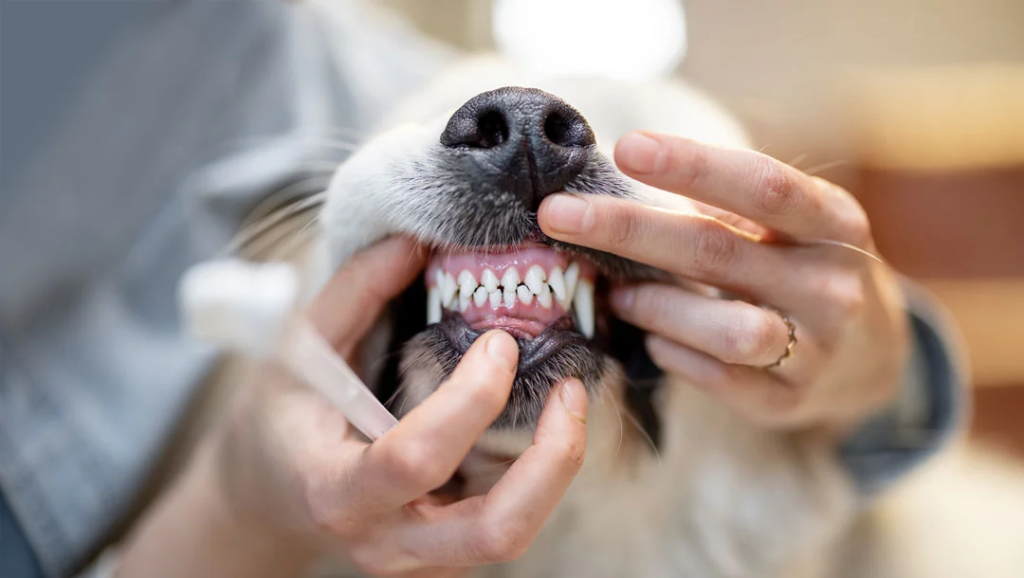
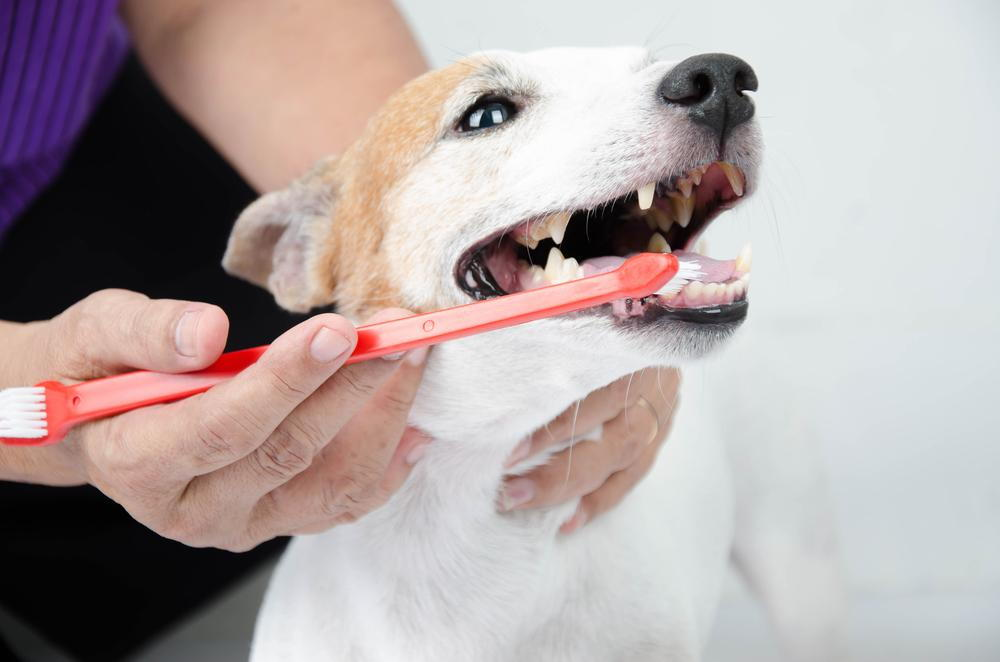
Dental hygiene is often overlooked in dogs but is critical for their overall health. Poor oral hygiene can lead to plaque buildup, gum disease, tooth decay, and even systemic health issues affecting the heart, liver, and kidneys. Brushing your dog’s teeth regularly with a toothbrush and toothpaste formulated for canines can significantly reduce these risks. Dental chews, toys, and special diets can also help maintain oral health by reducing plaque and tartar accumulation.
Signs of dental problems in dogs include bad breath, difficulty eating, swollen or bleeding gums, and excessive drooling. If you notice any of these signs, consult a veterinarian promptly.
Ear Cleaning
Dogs’ ears are prone to infections, especially breeds with floppy ears. Regular ear cleaning helps prevent the buildup of wax, dirt, and moisture, which can lead to infections. Use a veterinarian-recommended ear cleaner and cotton balls or pads to gently clean the outer ear. Avoid inserting anything deep into the ear canal, as this can cause injury.
Monitor your dog’s ears for signs of infection, such as redness, swelling, foul odor, or excessive scratching. Early detection and proper care can prevent serious complications.
Paw Care
Dogs’ paws are in constant contact with the ground, exposing them to dirt, chemicals, and potential injuries. Regularly inspecting and cleaning your dog’s paws is important, especially after walks or outdoor play. Wash the paws with water, check for cuts, abrasions, or foreign objects, and trim the fur between the paw pads if necessary. Applying a paw balm can help prevent dryness and cracking, particularly in harsh weather conditions.
Environmental Hygiene
Maintaining a clean environment is a crucial aspect of canine hygiene. Regularly washing your dog’s bedding, toys, and food bowls helps prevent the buildup of bacteria and parasites. Vacuuming carpets, cleaning floors, and keeping your home free of dust and debris contribute to a healthier living space for both you and your dog. Outdoor areas should also be kept clean, as dogs often play and relieve themselves outside, exposing themselves to germs and parasites.
Parasite Prevention
Parasites such as fleas, ticks, and worms pose serious health risks to dogs. Regular hygiene routines, including bathing, grooming, and environmental cleanliness, help reduce the likelihood of infestations. Additionally, consult your veterinarian about preventive treatments for fleas, ticks, and intestinal parasites. Early detection and treatment are vital for preventing long-term health issues.
Signs of Poor Hygiene
It is important to recognize signs that your dog’s hygiene may be lacking. These can include:
- Unpleasant odor
- Matted or greasy fur
- Itchy or irritated skin
- Discolored teeth or bad breath
- Frequent scratching or ear discharge
- Limping or paw injuries
Noticing these signs early allows you to take corrective measures, ensuring your dog remains healthy and comfortable.
Establishing a Routine
Consistency is key in canine hygiene. Establishing a regular routine for bathing, brushing, dental care, ear cleaning, and paw inspection ensures that hygiene practices become a natural part of your dog’s life. Puppies may require more frequent attention initially as they get used to grooming routines. Positive reinforcement, such as treats or praise, can make hygiene activities enjoyable and reduce stress for your dog.
Conclusion
Canine hygiene is a vital component of responsible pet ownership. Regular bathing, grooming, dental care, ear cleaning, and environmental cleanliness contribute to a dog’s physical health and emotional well-being. By paying attention to these aspects, you not only prevent illnesses and discomfort but also strengthen the bond with your furry companion. A clean, well-cared-for dog is a happy, healthy, and loyal friend, making every effort invested in hygiene worthwhile.
