

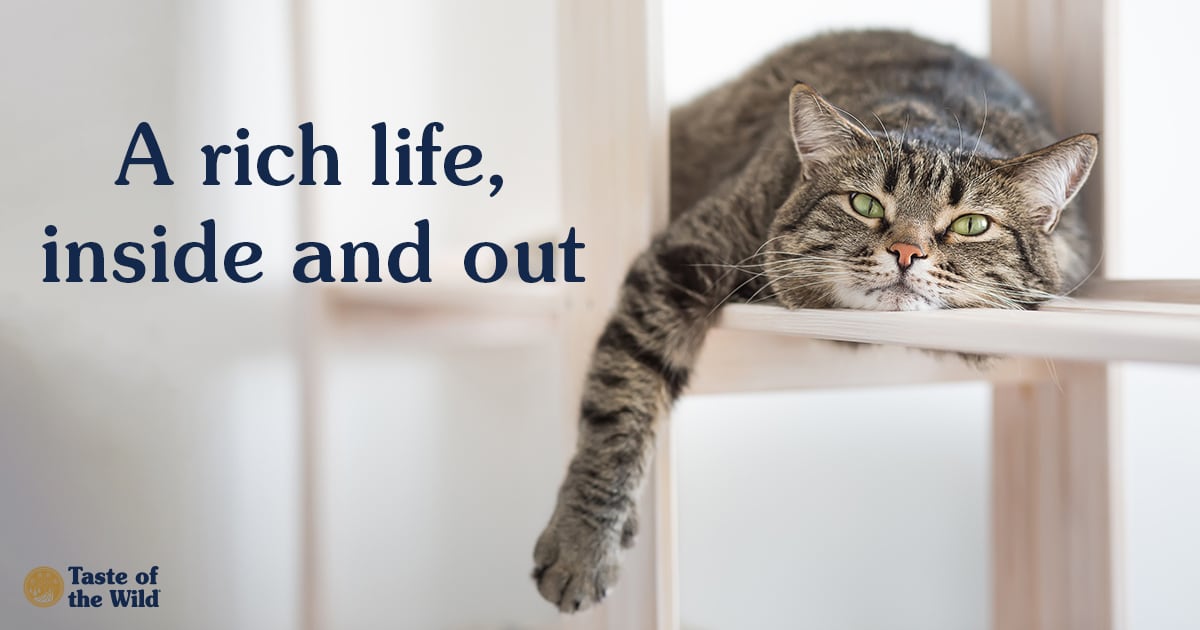
Cats are among the most beloved pets worldwide, and indoor cats, in particular, enjoy the safety and comfort of home. While keeping cats indoors protects them from dangers like traffic, predators, and harsh weather, it also places unique responsibilities on cat owners. Indoor cats may face challenges such as boredom, obesity, and stress, so providing proper care is crucial for their well-being. In this article, we will explore the best cat care tips for indoor cats, covering nutrition, health, mental stimulation, hygiene, and overall happiness.
1. Proper Nutrition
One of the most important aspects of caring for an indoor cat is providing a balanced and nutritious diet. Indoor cats tend to be less active than outdoor cats, so their caloric needs are lower. Feeding them high-quality cat food that is rich in proteins and low in carbohydrates is essential. Wet food can help maintain hydration, while dry food can aid in dental health. Avoid overfeeding, as obesity is a common problem among indoor cats. Feeding measured portions according to your cat’s weight, age, and activity level is the best practice.
Additionally, always provide fresh water. Cats can be picky drinkers, so consider using a water fountain to encourage them to drink more. Proper hydration supports kidney function and overall health.
2. Regular Exercise and Play

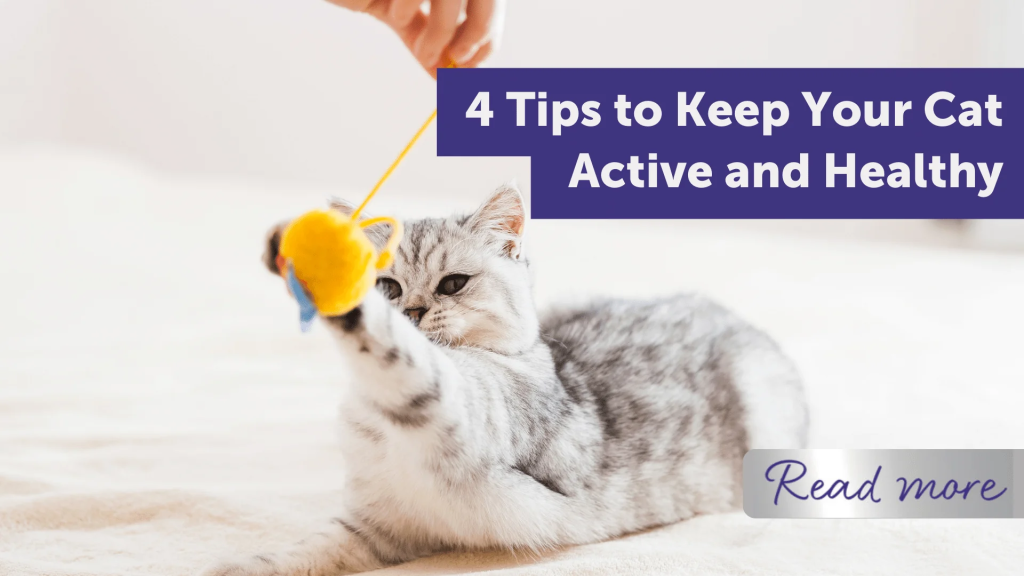
Indoor cats need regular exercise to maintain a healthy weight and prevent boredom. Unlike outdoor cats, they cannot roam freely, so it’s important to create opportunities for physical activity inside the home. Toys, climbing trees, scratching posts, and interactive play sessions can keep your cat active and stimulated.
Interactive toys like laser pointers or feather wands are excellent for encouraging movement and mental engagement. Rotating toys regularly keeps them interesting, preventing your cat from becoming bored with their playthings. Short, frequent play sessions throughout the day are more effective than a single long session.
3. Mental Stimulation
Cats are intelligent animals that require mental stimulation to stay happy and healthy. Indoor cats can experience stress and anxiety if their environment is monotonous. Puzzle feeders and treat-dispensing toys challenge your cat mentally while rewarding them with a tasty treat. Hiding treats around the house encourages hunting instincts and keeps them active.
Additionally, consider creating a stimulating environment by providing perches near windows. Watching birds, squirrels, or other outdoor activities keeps your cat entertained and mentally engaged. Training your cat using simple commands or clicker training is also a fun way to stimulate their mind.
4. Regular Veterinary Care
Preventive health care is essential for indoor cats. Regular veterinary visits ensure that your cat remains healthy and that any potential health issues are caught early. Vaccinations, parasite control, dental checkups, and routine blood work are all important components of preventive care.
Spaying or neutering your cat is highly recommended, as it prevents unwanted litters and can reduce behavioral problems. Indoor cats still face risks of infections and diseases, so routine veterinary attention is necessary, even if they don’t go outside.
5. Grooming and Hygiene
Even indoor cats require regular grooming. Brushing your cat’s fur helps reduce shedding and prevents hairballs. Long-haired cats require more frequent grooming to avoid matting. Grooming also provides an opportunity to check for skin issues, lumps, or parasites.
Litter box maintenance is another critical aspect of indoor cat care. Keep litter boxes clean and odor-free, scooping daily and washing the box regularly. A clean litter box encourages proper use and prevents behavioral problems.
6. Safe and Enriched Environment
Creating a safe and enriched indoor environment is crucial for your cat’s well-being. Cats need places to climb, scratch, and hide. Providing cat trees, shelves, and cozy hiding spots allows them to exercise natural behaviors safely. Scratching posts help maintain their claws and prevent furniture damage.
Indoor cats may become stressed if their environment is too quiet or lacks stimulation. Background sounds like soft music or nature sounds can be soothing. Avoid sudden loud noises or chaotic situations that may frighten your cat.
7. Social Interaction
Cats are often considered independent, but they still require social interaction. Spending quality time with your cat, petting, playing, or simply sitting nearby helps build a strong bond. Some cats enjoy the company of other pets, but introducing a new animal should be done gradually to prevent stress.
Pay attention to your cat’s body language to understand their preferences. Respect their need for personal space while ensuring they feel loved and secure.
8. Monitor Weight and Health
Indoor cats are prone to weight gain due to limited physical activity. Regularly monitoring your cat’s weight and body condition is essential. Obesity can lead to serious health issues such as diabetes, joint problems, and heart disease. Adjust their diet and activity levels as needed to maintain a healthy weight.
Be attentive to any changes in behavior, appetite, or litter box habits, as these can be signs of health problems. Early detection and prompt veterinary care can prevent complications and improve your cat’s quality of life.
9. Managing Stress and Anxiety
Indoor cats may experience stress due to changes in their environment or routine. Stress can manifest as excessive grooming, aggression, or hiding. Providing a predictable routine, safe spaces, and enrichment can reduce anxiety. Feliway diffusers or calming sprays may help in certain cases, but consulting a veterinarian is recommended for persistent behavioral issues.
10. Regular Dental Care
Dental health is often overlooked in indoor cats. Plaque and tartar buildup can lead to gum disease and other health problems. Regular brushing with cat-specific toothpaste, along with dental checkups, can prevent dental issues. Providing dental treats or toys also helps maintain oral hygiene.
Conclusion
Caring for indoor cats requires a combination of proper nutrition, exercise, mental stimulation, health care, and a safe, enriched environment. By paying attention to their physical and emotional needs, you can ensure that your indoor cat remains healthy, happy, and active. Each cat is unique, so observing their behavior and preferences will help you tailor care to their specific needs. With dedication and love, your indoor cat can enjoy a fulfilling and joyful life within the safety of your home.
