

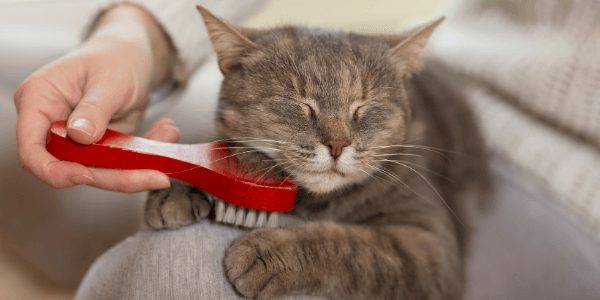
Cats are often seen as low-maintenance pets, but any cat owner will tell you that there’s more to feline care than just feeding and providing a cozy spot to sleep. One of the most important aspects of cat care is brushing. While cats groom themselves, regular brushing plays a crucial role in their health, hygiene, and comfort. In this article, we’ll explore everything you need to know about cat brushing—from benefits and techniques to tools and frequency.
Why Brushing Your Cat is Important
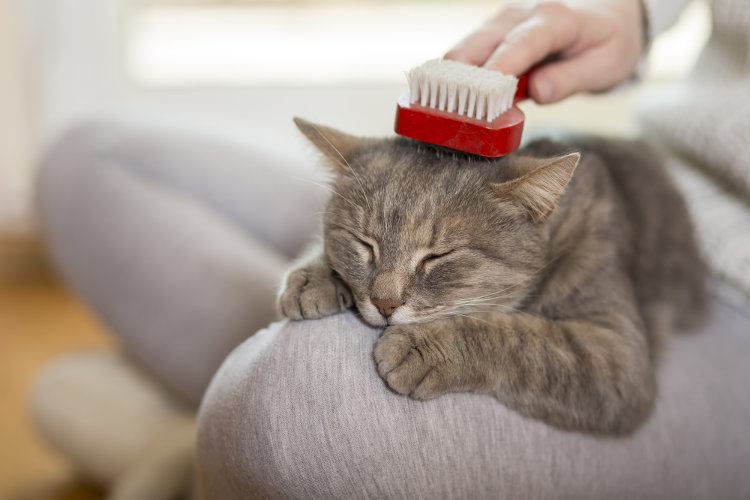
Many cat owners assume that cats don’t need brushing because they groom themselves. While self-grooming is a natural and effective way for cats to clean their fur, brushing offers several benefits that self-grooming alone cannot provide.
1. Reduces Shedding
Even though cats groom themselves, they shed hair constantly. Brushing helps remove loose hairs before they end up on your furniture, clothes, or floors. Regular brushing significantly reduces the amount of hair your cat ingests, which also helps prevent hairballs. Hairballs can lead to digestive problems if left unmanaged, so brushing is a preventative measure that supports your cat’s overall health.
2. Prevents Matting and Tangles
Cats with long or medium-length fur are particularly prone to mats and tangles. Mats can become painful if left untreated, pulling on the skin and causing irritation or even infections. Regular brushing prevents these knots from forming and keeps your cat’s coat smooth and comfortable. Even short-haired cats can benefit from occasional brushing to maintain their coat’s health.
3. Promotes Healthy Skin and Coat
Brushing stimulates the skin and encourages the production of natural oils. These oils keep the fur shiny and soft while improving skin health. The massaging effect of brushing also increases blood circulation, which can contribute to a healthier overall appearance and comfort for your cat.
4. Allows You to Check for Health Issues
Brushing isn’t just about appearance—it’s also a chance to check your cat for potential health problems. While brushing, you can feel for lumps, bumps, or unusual swelling. You may also notice parasites like fleas or ticks, skin irritations, or wounds that would otherwise go unnoticed. Early detection of these issues can make a significant difference in your cat’s health.
5. Strengthens the Bond Between You and Your Cat
Many cats enjoy being brushed, and it can be a great way to bond with them. The gentle, repetitive motion of brushing can be relaxing and enjoyable, creating a positive experience that strengthens your relationship. Even cats that are initially resistant often learn to tolerate or even enjoy brushing when it is introduced gradually and with patience.
Choosing the Right Brushing Tools
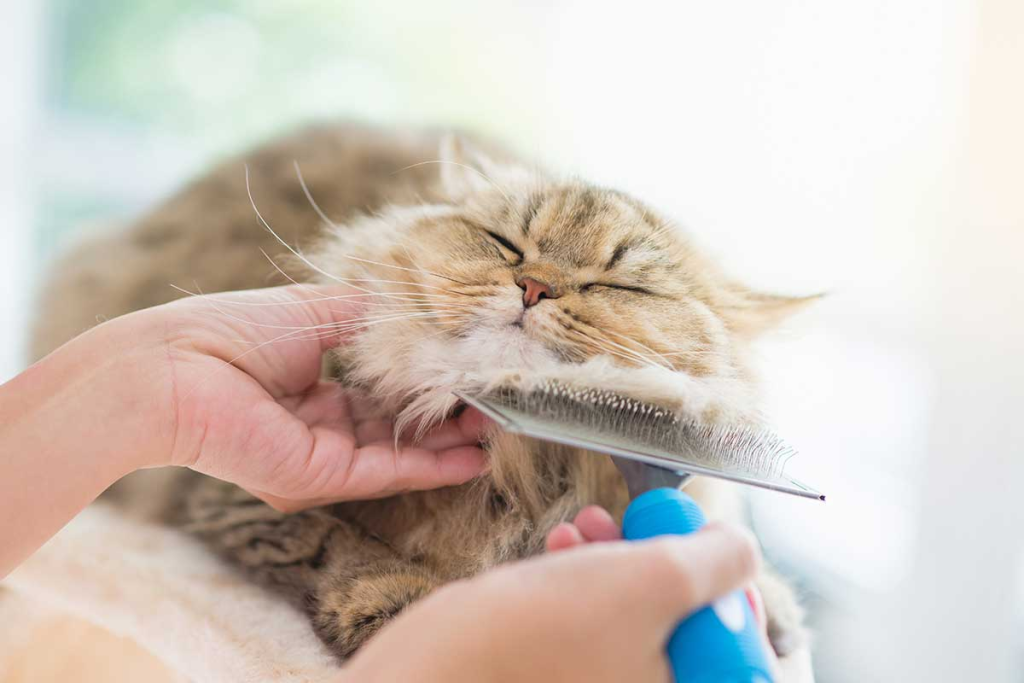
Not all brushes are created equal, and using the right tool is key to a successful brushing session. The type of brush you choose depends on your cat’s fur length, texture, and sensitivity.
1. Slicker Brushes
Slicker brushes have fine, short wires close together and are ideal for removing loose hair, dirt, and tangles. They work well for both short-haired and long-haired cats and are especially effective for preventing mats.
2. Bristle Brushes
Bristle brushes have soft or medium bristles and are perfect for short-haired cats. They remove loose hairs and gently distribute natural oils, leaving the coat shiny and soft. These brushes are also more comfortable for cats with sensitive skin.
3. Comb Brushes
Combs are useful for detangling and checking for mats, especially in long-haired cats. Wide-toothed combs can help remove stubborn tangles without pulling, while fine-toothed combs can help remove debris and fleas.
4. Rubber Brushes
Rubber brushes are gentle and work well for short-haired cats. They provide a massaging effect and are excellent for removing loose hair during shedding season.
How Often Should You Brush Your Cat?
The frequency of brushing depends on your cat’s breed, coat length, and shedding habits.
- Short-haired cats: Once or twice a week is usually sufficient. Brushing less frequently can still help reduce shedding and hairballs.
- Medium-haired cats: Aim for at least two to three times a week to prevent tangles and mats.
- Long-haired cats: Daily brushing is ideal to prevent severe matting and keep the coat manageable.
Even if your cat grooms itself thoroughly, brushing offers benefits that self-grooming alone cannot provide, so it’s worth incorporating into your regular routine.
Step-by-Step Guide to Brushing Your Cat
Brushing a cat may seem simple, but doing it correctly ensures that your cat stays comfortable and calm. Here’s a step-by-step guide:
1. Prepare Your Tools
Make sure you have the right brush and any combs you might need. Keep a towel handy if your cat is fidgety, and consider having treats nearby to reward good behavior.
2. Choose a Comfortable Location
Pick a quiet, comfortable spot where your cat feels safe. Some cats prefer being brushed on a table or counter, while others like sitting on your lap.
3. Start Slowly
Begin with gentle strokes, especially if your cat is not used to brushing. Focus on areas where your cat enjoys being touched, like the back or under the chin. Avoid sensitive areas like the belly initially.
4. Brush in the Direction of Hair Growth
Always brush in the direction of the fur, not against it. This minimizes discomfort and prevents pulling on the hair. Use slow, gentle strokes to remove loose hairs and tangles.
5. Pay Attention to Problem Areas
Long-haired cats may develop mats behind the ears, under the armpits, and around the tail. Use a comb to gently detangle these areas, being careful not to pull too hard.
6. Reward Your Cat
Use treats or gentle praise to make brushing a positive experience. This reinforces good behavior and helps your cat associate brushing with pleasure rather than discomfort.
Tips for Brushing Difficult Cats
Not all cats enjoy brushing, and some may become anxious or defensive. Here are strategies to make brushing easier:
- Start young: Introducing brushing early helps cats accept it as a normal part of life.
- Short sessions: Begin with a few minutes and gradually increase the time.
- Positive reinforcement: Reward calm behavior with treats or affection.
- Use a towel: If your cat becomes aggressive, gently wrap them in a towel to prevent scratching while brushing.
- Experiment with brushes: Some cats prefer rubber brushes, while others like bristle brushes. Finding the right tool can make a big difference.
Seasonal Brushing
Cats often shed more during spring and fall. During these periods, you may need to increase brushing frequency to manage shedding effectively. Extra brushing helps remove loose hair before it ends up on furniture and reduces the likelihood of hairballs.
Common Mistakes to Avoid
Even experienced cat owners can make mistakes when brushing. Avoid these common pitfalls:
- Brushing too hard: This can irritate the skin and make your cat wary of brushing.
- Ignoring tangles: Mats left untreated can worsen and cause pain.
- Using the wrong tool: A brush that is too stiff or rough can harm your cat’s coat or skin.
- Skipping grooming during shedding season: Neglecting seasonal shedding can lead to excessive hairballs and mess.
Conclusion
Brushing your cat is far more than a cosmetic activity. It’s a key part of maintaining their health, comfort, and happiness. Regular brushing reduces shedding, prevents matting, promotes healthy skin and coat, allows for early detection of health issues, and strengthens the bond between you and your feline friend.
By understanding the right techniques, tools, and frequency for your cat’s coat type, you can make brushing a pleasant and beneficial experience for both of you. Whether your cat has short, medium, or long fur, consistent grooming ensures that your furry companion remains comfortable, healthy, and happy for years to come.
