

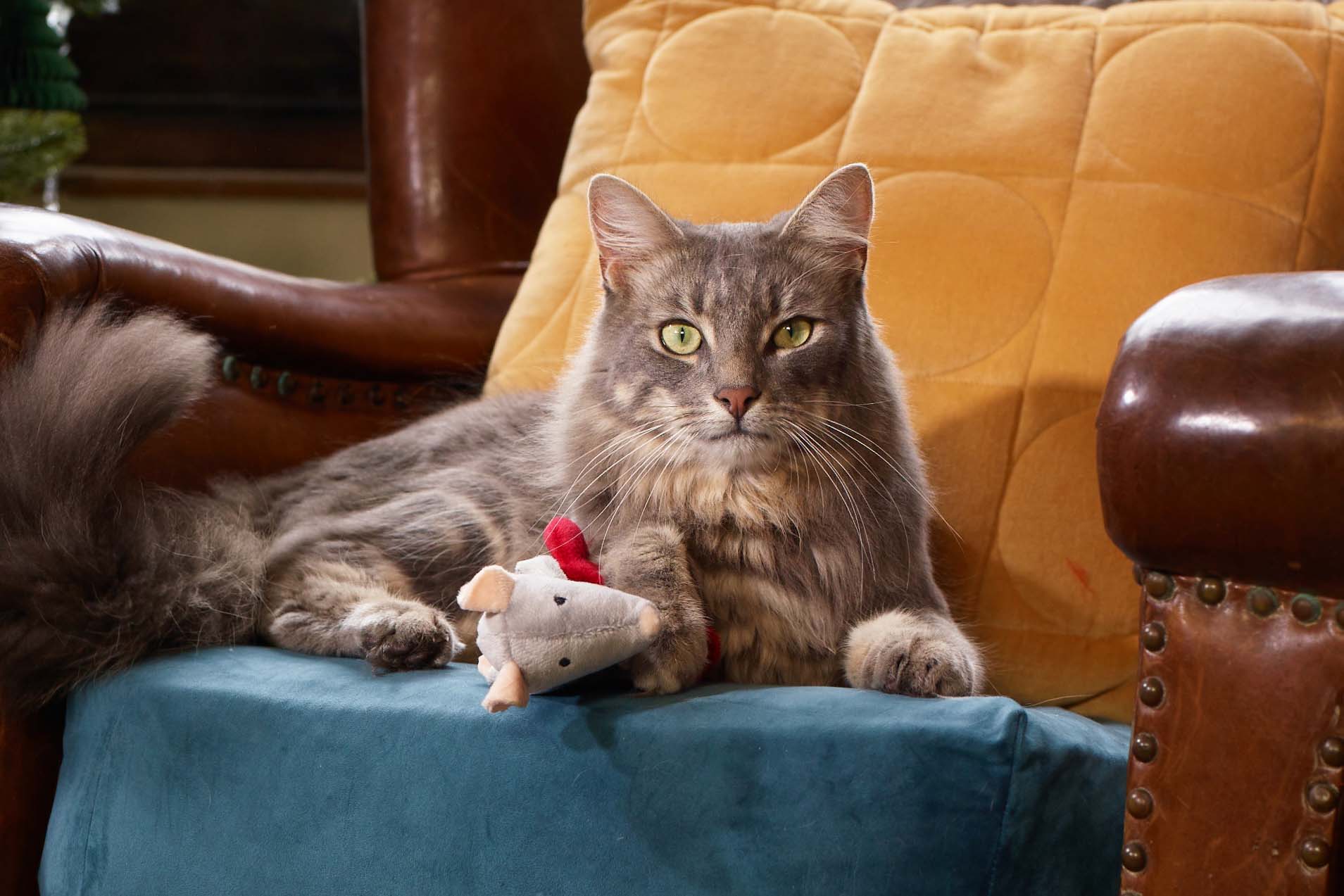
As our feline friends age, their needs change significantly. Senior cats, typically considered those over the age of 10, require special attention to maintain their health, comfort, and quality of life. Establishing a consistent cat care routine for senior cats is essential to ensure they remain happy and healthy in their golden years. This guide will cover feeding, grooming, exercise, medical care, and emotional well-being tailored to senior cats.
Understanding Senior Cats
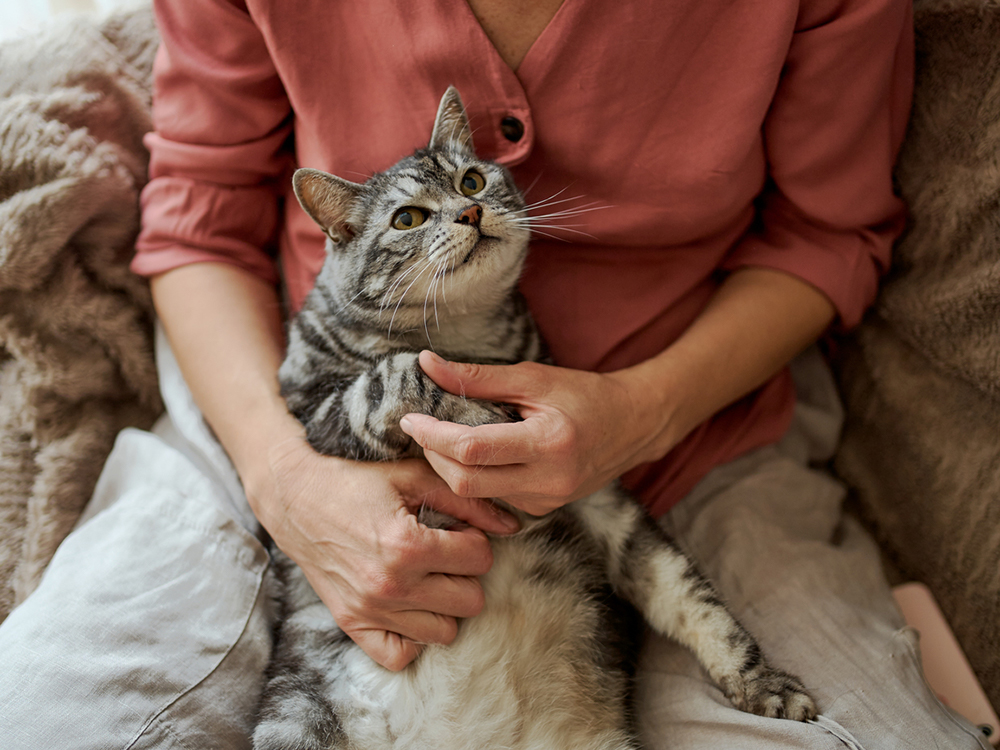
Cats are considered senior when they reach around 10 years old, although some breeds may show signs of aging earlier or later. As cats age, their metabolism slows down, their immune system weakens, and they may develop age-related conditions like arthritis, dental issues, kidney disease, or vision problems. Recognizing these changes and adjusting their routine can help them live a longer, healthier life.
Nutrition and Diet
Proper nutrition is the foundation of senior cat care. Aging cats have different dietary requirements compared to younger cats. They may require food that is easier to digest, supports joint health, or is lower in calories if they are less active.
Key Points for Senior Cat Nutrition:
- High-Quality Protein: Older cats need protein to maintain muscle mass. Look for food with easily digestible protein sources.
- Balanced Fat Content: Moderate fat is important for energy, but excessive fat can lead to obesity, which worsens joint problems.
- Joint Support: Foods enriched with omega-3 fatty acids or supplements like glucosamine can help reduce arthritis discomfort.
- Hydration: Senior cats are prone to kidney issues, so wet food or additional water sources can help prevent dehydration.
- Digestive Health: High fiber content can aid digestion and prevent constipation, a common issue in older cats.
Feeding should be done in smaller, more frequent meals to accommodate slower digestion and ensure your cat eats enough nutrients throughout the day.
Grooming Routine
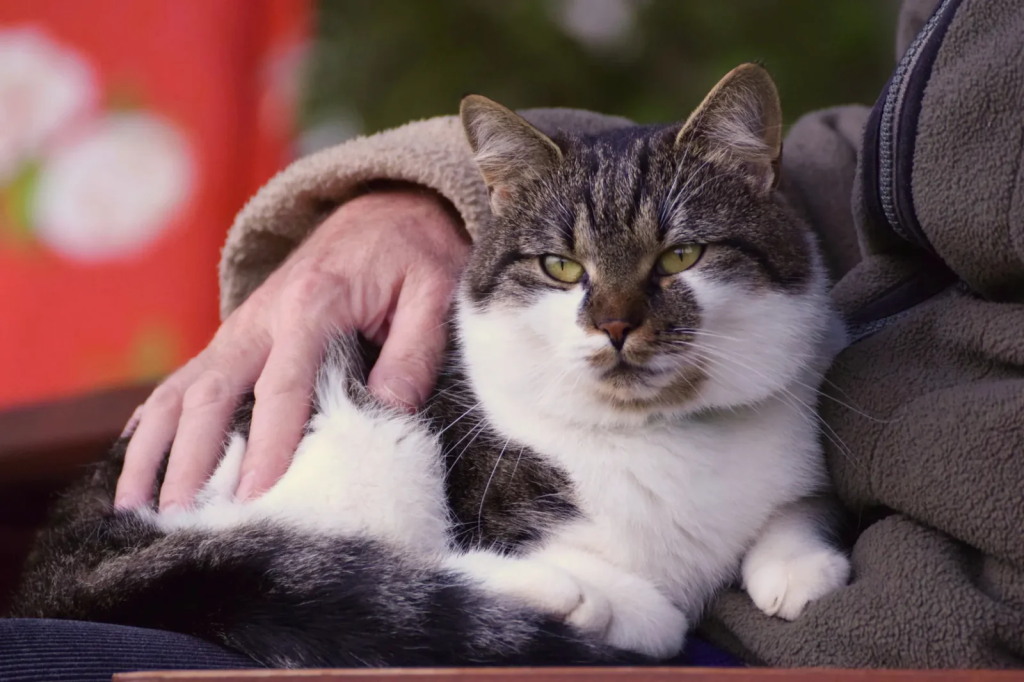
Grooming becomes increasingly important as cats age because they may lose flexibility or energy, making self-grooming difficult. A regular grooming routine can prevent matting, hairballs, and skin problems.
Grooming Tips:
- Brushing: Brush your senior cat at least a few times a week to remove loose fur and prevent tangles. Long-haired cats may require daily brushing.
- Bathing: Most cats groom themselves, but occasional baths may be necessary if your cat has difficulty cleaning certain areas. Use a gentle cat shampoo.
- Nail Care: Older cats may be less active, but trimming their nails prevents discomfort and reduces the risk of injury from scratches.
- Dental Care: Dental health declines with age, so brush your cat’s teeth if possible, or provide dental treats and toys to reduce plaque buildup.
Grooming sessions also provide an opportunity to check for lumps, bumps, or skin changes that could indicate health problems.
Exercise and Physical Activity
Maintaining mobility is crucial for senior cats. While they may be less playful than kittens, gentle activity keeps their joints flexible and prevents obesity.
Ways to Encourage Activity:
- Interactive Play: Short play sessions with toys such as feather wands or laser pointers help maintain coordination and prevent boredom.
- Environmental Enrichment: Provide scratching posts, climbing shelves, or cozy nooks to stimulate movement without excessive strain.
- Encouraging Exploration: Rotate toys or create new spaces for your cat to explore safely, keeping their mind and body engaged.
Avoid overly vigorous exercise, as senior cats may have limited stamina or arthritis-related discomfort.
Health Check-Ups
Regular veterinary visits are critical for detecting age-related issues early. Senior cats should ideally visit the vet at least twice a year.
Key Health Focus Areas:
- Weight Management: Monitor for unintentional weight loss or gain, which could indicate underlying health problems.
- Kidney and Liver Function: Blood tests help detect early kidney or liver issues, which are common in older cats.
- Dental Exams: Dental disease can lead to pain and affect eating habits.
- Blood Pressure Monitoring: Hypertension is often overlooked but can impact organs like the heart and eyes.
- Vaccinations and Parasite Control: Keep vaccinations up-to-date and continue preventive treatments against fleas, ticks, and worms.
Early detection of health problems often leads to more effective treatment and better quality of life.
Comfort and Environment
Senior cats benefit from a calm and accessible environment. Adjustments around the house can make a big difference in their comfort.
Environmental Adjustments:
- Easy Access: Provide ramps or steps to help cats reach favorite resting spots without jumping, which can stress aging joints.
- Soft Bedding: Offer padded, warm beds in quiet areas to help with joint stiffness and improve sleep quality.
- Litter Box Accessibility: Lower sides or multiple litter boxes on each floor ensure ease of use, especially for cats with arthritis.
- Temperature Control: Older cats often prefer warmth, so provide cozy spots away from drafts.
A comfortable environment reduces stress and encourages mobility without pain.
Mental and Emotional Well-Being
Senior cats may become less social or more anxious as they age. Maintaining mental stimulation and companionship is key to their emotional health.
Supporting Emotional Health:
- Routine and Predictability: Cats thrive on a predictable schedule, which reduces stress and anxiety.
- Interaction: Gentle petting, grooming, and talking to your cat fosters trust and reduces loneliness.
- Mental Stimulation: Puzzle feeders, interactive toys, or window perches help engage your cat’s mind.
- Social Support: If your cat is used to another companion, ensure they continue to have social interaction.
A happy senior cat is not just physically healthy but emotionally fulfilled.
Special Considerations for Common Senior Cat Issues
Senior cats may face specific challenges that require special attention:
- Arthritis: Supplements, soft bedding, and gentle massage can relieve discomfort.
- Kidney Disease: Offer wet food and ensure hydration to support kidney function.
- Dental Problems: Soft food and regular dental check-ups help manage pain.
- Vision or Hearing Loss: Maintain a consistent home layout and provide gentle guidance to reduce anxiety.
- Incontinence: Keep litter boxes clean and easily accessible, and discuss medications or treatments with a vet.
Adapting to these challenges ensures your cat’s golden years are comfortable and dignified.
Monitoring Behavior and Changes
Observing subtle changes in behavior can alert you to potential health problems early:
- Reduced appetite or sudden weight loss
- Increased thirst or urination
- Decreased grooming or matted fur
- Changes in litter box habits
- Hiding or withdrawal from family
Promptly addressing these changes with a veterinarian can prevent serious complications.
Conclusion
Caring for a senior cat requires patience, attention, and a structured routine. By providing proper nutrition, gentle grooming, regular exercise, frequent veterinary check-ups, and a comfortable environment, you can help your older feline companion live a happy, healthy, and fulfilling life. Every senior cat is unique, and tailoring your care routine to their individual needs will ensure that their golden years are truly golden.
Creating a consistent, loving, and attentive routine is not just about extending life—it’s about enhancing the quality of every day for your cherished senior cat.
