

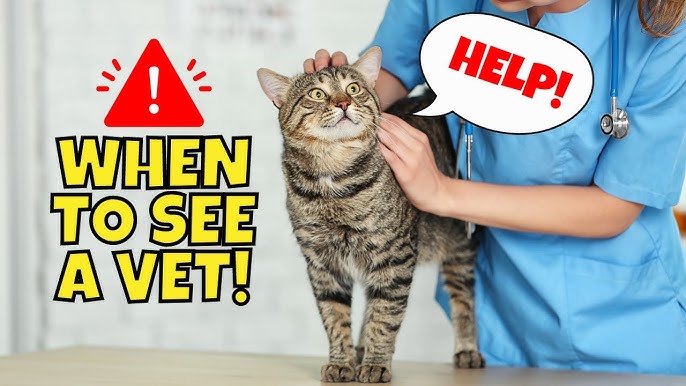
Cats are known for their independence, curiosity, and sometimes mysterious behavior. They often hide discomfort or illness, making it challenging for cat owners to know when their furry friend is in need of medical attention. Recognizing the signs that your cat needs a vet visit is essential for maintaining their health and well-being. In this article, we will explore various physical, behavioral, and emotional signs that indicate your cat may need to see a veterinarian.
1. Changes in Appetite or Water Intake
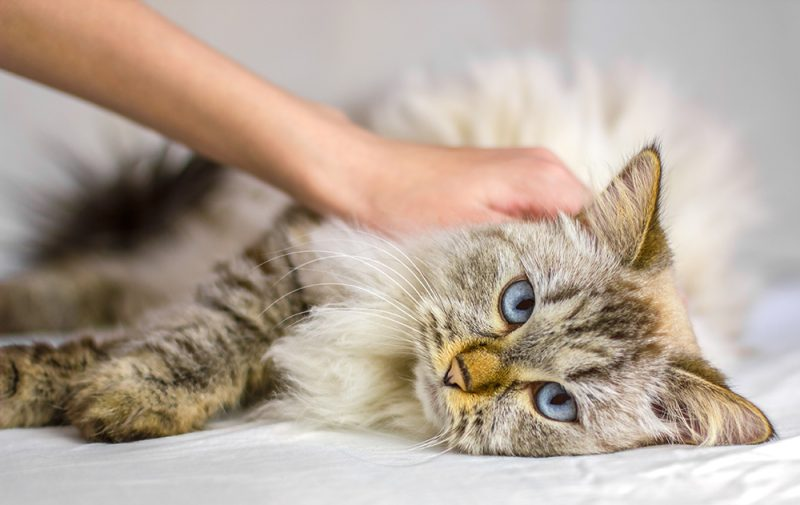
One of the most noticeable indicators of illness in cats is a sudden change in eating or drinking habits. A cat that suddenly refuses food, eats significantly more than usual, or drinks excessively may be experiencing health issues.
- Loss of appetite: This can indicate dental problems, gastrointestinal issues, kidney disease, or even infections. If your cat refuses food for more than 24-48 hours, a vet visit is necessary.
- Increased appetite: A sudden increase in appetite may indicate conditions such as diabetes or hyperthyroidism.
- Excessive thirst: Drinking more water than usual could be a symptom of kidney disease, diabetes, or urinary tract infections.
Monitoring your cat’s eating and drinking habits daily helps detect problems early before they become serious.
2. Unexplained Weight Changes
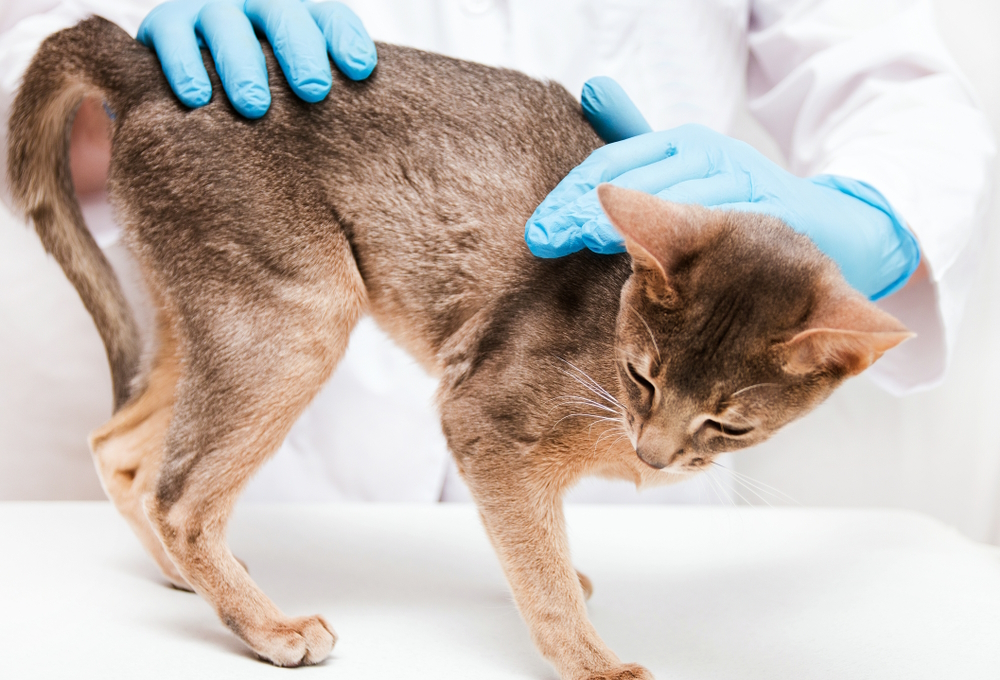
Weight loss or gain without changes in diet or exercise is a red flag in cats.
- Rapid weight loss: This may be a sign of hyperthyroidism, diabetes, cancer, or chronic infections. Even a few pounds lost can be significant in cats, especially smaller breeds.
- Sudden weight gain: Unexpected weight gain can indicate hormonal imbalances, fluid retention, or decreased activity due to illness or pain.
Tracking your cat’s weight over time is an easy yet effective way to spot health problems early.
3. Vomiting or Diarrhea
Occasional vomiting or diarrhea can occur in cats for minor reasons such as dietary changes, but persistent symptoms should not be ignored.
- Frequent vomiting: Continuous vomiting can lead to dehydration and indicate serious conditions like kidney disease, gastrointestinal obstructions, or infections.
- Diarrhea: Chronic diarrhea can signal inflammatory bowel disease, parasites, or food allergies.
If vomiting or diarrhea lasts more than 24-48 hours or is accompanied by lethargy, blood, or unusual color, it is important to consult a veterinarian immediately.
4. Changes in Litter Box Habits
Cats are naturally clean animals, so any noticeable change in litter box behavior is often a warning sign.
- Increased or decreased urination: Could indicate urinary tract infections, kidney problems, or diabetes.
- Straining to urinate or defecate: This is an urgent warning sign, especially in male cats, as urinary blockages can be life-threatening.
- Eliminating outside the litter box: May indicate medical issues or stress. Always rule out health problems first.
Observing litter box habits closely allows early detection of urinary or gastrointestinal disorders.
5. Respiratory Issues
Cats with breathing difficulties often show subtle signs that may be easy to miss.
- Coughing or wheezing: Persistent coughing can indicate asthma, infections, or heart disease.
- Rapid or labored breathing: Breathing faster than usual or with effort is a serious concern that requires immediate veterinary attention.
- Sneezing or nasal discharge: While occasional sneezing is normal, frequent sneezing or discharge from the nose or eyes may indicate infections, allergies, or dental disease.
Prompt attention to respiratory symptoms can prevent complications and improve your cat’s comfort.
6. Changes in Behavior or Mood
Cats often hide pain, but behavior changes can reveal underlying health issues.
- Lethargy or depression: A normally active cat becoming lethargic may indicate illness, pain, or infection.
- Aggression or irritability: Pain, discomfort, or neurological problems may cause sudden aggression toward humans or other pets.
- Excessive hiding: If your cat suddenly spends more time hiding or avoiding interaction, it may be feeling unwell.
- Restlessness or pacing: This may indicate pain, anxiety, or urinary discomfort.
Behavioral changes are often the first clue that something is wrong, and a veterinarian can help identify the cause.
7. Skin and Coat Issues
A healthy cat typically has a clean, shiny coat. Any changes in the skin or fur can indicate medical problems.
- Excessive shedding or bald patches: Could indicate allergies, parasites, or skin infections.
- Itching, scratching, or biting: Persistent itching may indicate fleas, mites, or dermatological conditions.
- Dull or greasy coat: A change in coat texture may indicate nutritional deficiencies, liver disease, or other illnesses.
- Lumps or bumps: Any new or growing lumps should be examined to rule out tumors or cysts.
Regular grooming and observation of your cat’s coat help detect skin or health issues early.
8. Dental Problems
Oral health is often overlooked, yet dental disease is common in cats and can lead to systemic issues.
- Bad breath: Persistent foul odor can indicate dental disease or infections.
- Drooling: Excessive drooling may signal oral pain, tooth decay, or stomatitis.
- Difficulty eating or dropping food: Cats with dental pain may struggle to chew, avoid hard food, or favor one side of the mouth.
- Swelling of the face or gums: Visible inflammation or redness requires veterinary attention.
Regular dental checks are vital for preventing oral pain and complications.
9. Eye or Ear Abnormalities
Eyes and ears provide important clues about a cat’s health.
- Red, watery, or cloudy eyes: May indicate infections, injuries, or systemic diseases.
- Excessive blinking or squinting: Could signal eye pain or foreign objects.
- Discharge from the eyes or ears: Yellow or green discharge often indicates infection.
- Scratching at ears or head shaking: May be due to ear mites, infections, or allergies.
Monitoring eye and ear health allows early treatment of potentially serious problems.
10. Mobility and Pain Issues
Cats may hide pain, but certain signs indicate discomfort or mobility problems.
- Limping or difficulty jumping: Could be due to arthritis, injury, or joint disease.
- Reluctance to move: A cat avoiding stairs, jumping, or normal activity may be in pain.
- Vocalizations: Increased meowing or crying when touched may indicate discomfort.
- Swelling or heat in joints: Often associated with arthritis or infections.
Prompt veterinary care can alleviate pain and prevent worsening of joint or mobility issues.
11. Unusual Odors
Unusual smells can indicate health problems:
- Foul breath: Often a sign of dental disease or gastrointestinal issues.
- Strong body odor: May indicate skin infections or poor grooming due to illness.
- Urine or fecal smell outside litter box: Could signal incontinence, infections, or digestive problems.
Noticing odors early allows you to detect issues that may otherwise go unnoticed.
12. Summary: When to See the Vet
Recognizing the signs that your cat needs a vet visit is critical. While some issues may seem minor, cats often hide illness until it becomes severe. In general, you should seek veterinary care if your cat experiences any of the following:
- Loss of appetite or sudden changes in eating/drinking habits
- Significant weight loss or gain
- Persistent vomiting or diarrhea
- Changes in litter box habits or urination issues
- Breathing difficulties or persistent coughing
- Behavioral changes, aggression, or lethargy
- Skin, coat, or dental problems
- Eye or ear abnormalities
- Pain, limping, or mobility issues
- Unusual odors
Regular checkups, even when your cat seems healthy, are essential for preventative care. Cats are masters at hiding illness, so early detection through observation and routine veterinary visits can save lives and improve quality of life.
Conclusion
Being a responsible cat owner means paying attention to subtle signs of discomfort or illness. By observing changes in behavior, eating habits, physical appearance, and overall health, you can identify when your cat may need medical attention. Don’t wait for a problem to become severe. A timely visit to the vet can ensure your feline companion remains happy, healthy, and comfortable for years to come.
Your cat relies on you to notice what they cannot say. Awareness, vigilance, and prompt veterinary care are the keys to their long-term health.
