

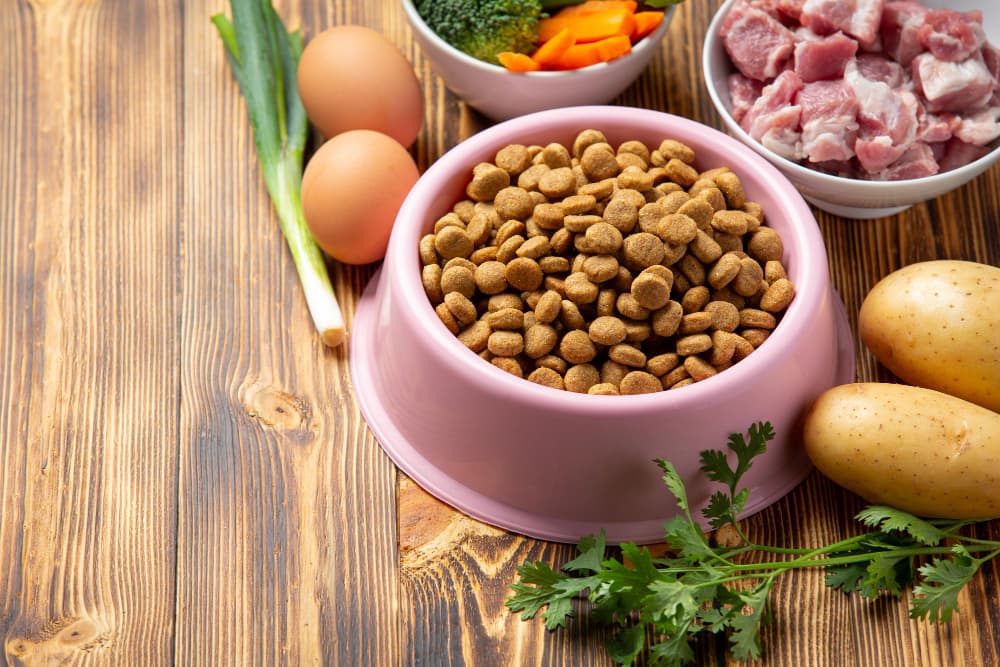
Cats are beloved companions, and their health depends largely on proper nutrition. While commercial cat foods are convenient, many pet owners are turning to homemade cat food recipes to ensure their feline friends receive natural, wholesome ingredients. Preparing homemade cat food allows control over ingredients, avoids harmful additives, and can improve your cat’s overall health and vitality. In this article, we will explore the benefits of homemade cat food, essential nutritional requirements, and a variety of healthy recipes.
Why Consider Homemade Cat Food?
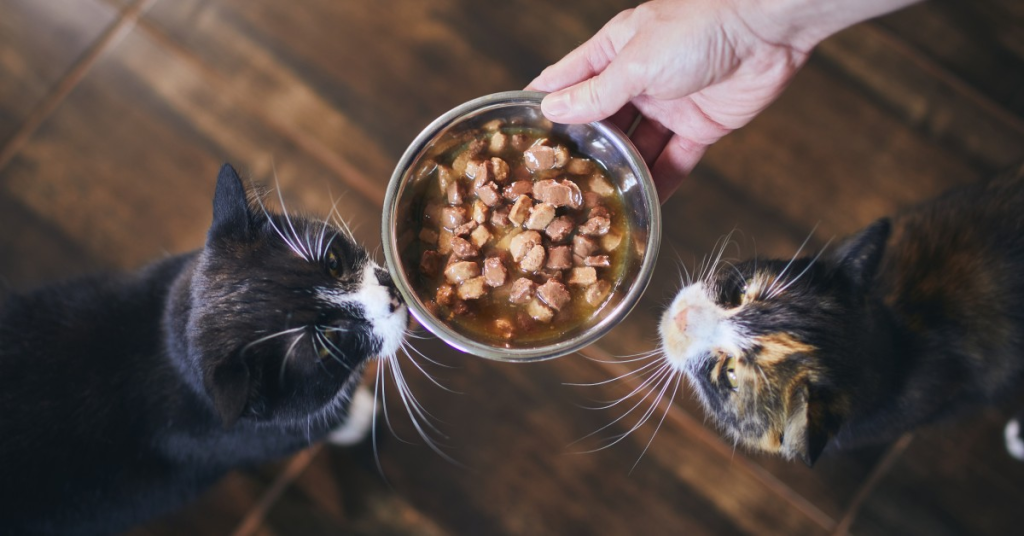
Commercial cat foods are designed to be nutritionally complete, but not all brands meet high-quality standards. Some contain artificial preservatives, fillers, or low-quality protein sources. By making food at home, you can:
- Control ingredients: Ensure your cat receives natural, high-quality proteins, vitamins, and minerals.
- Avoid allergens: Reduce the risk of allergic reactions caused by grains, preservatives, or certain meats.
- Tailor diets: Cater to specific needs, such as weight management, urinary health, or sensitive digestion.
- Improve taste and freshness: Cats often prefer freshly prepared meals over processed kibble.
Nutritional Needs of Cats
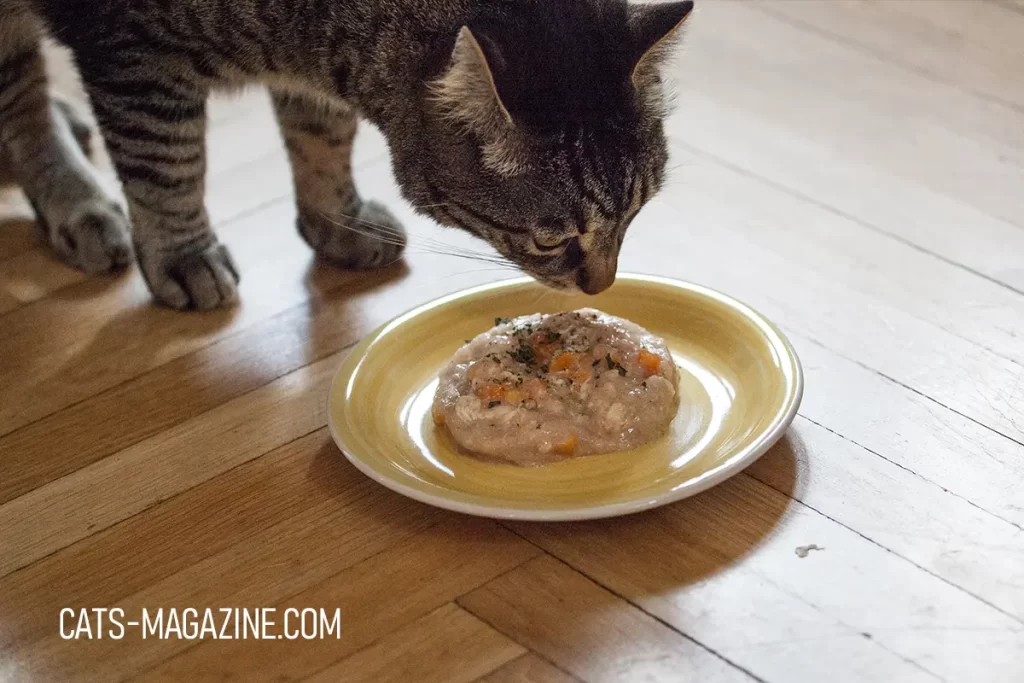
Cats are obligate carnivores, which means they require nutrients found primarily in animal tissues. Understanding their nutritional requirements is crucial when preparing homemade meals.
- Protein: Cats need high-quality animal protein for muscle development, energy, and overall health. Sources include chicken, turkey, beef, fish, and eggs.
- Taurine: An essential amino acid for heart health, vision, and reproduction. Found in meat and organ meats like heart and liver.
- Fats: Provide energy and support healthy skin and coat. Include animal fats and omega-3 fatty acids.
- Vitamins and Minerals: Cats require vitamins A, D, E, and B-complex vitamins, as well as minerals like calcium, phosphorus, and potassium. Often added via supplements or natural sources like eggshell powder.
- Water: Cats often have low thirst drive, so including wet foods or broth ensures proper hydration.
Important note: Cats cannot survive on a vegetarian diet. Avoid substituting meat entirely with plant-based proteins.
Ingredients to Avoid
Some human foods are toxic to cats. Always avoid:
- Onions, garlic, chives
- Chocolate and caffeine
- Grapes and raisins
- Alcohol
- Raw fish (high in thiaminase)
- Bones that can splinter
Preparing Homemade Cat Food Safely
- Cook proteins properly: Lightly cook meat to kill bacteria but avoid overcooking which can reduce nutrient content.
- Include organ meat: Add liver or heart in moderation (5–10% of total diet) for essential nutrients.
- Balance calcium and phosphorus: Essential for bone health. Use crushed eggshell powder or bone meal if feeding only muscle meat.
- Portion correctly: Feed according to your cat’s weight, age, and activity level.
- Introduce gradually: Mix homemade food with existing food to avoid digestive upset.
Healthy Homemade Cat Food Recipes
Here are some simple, nutritious recipes you can prepare at home. Each recipe includes balanced ingredients for a healthy cat diet.
1. Chicken and Pumpkin Delight
Ingredients:
- 1 cup cooked chicken breast, shredded
- 1/4 cup cooked pumpkin puree
- 1/2 teaspoon fish oil
- 1/4 teaspoon taurine supplement (optional)
- 1 teaspoon cooked carrot, mashed
Instructions:
- Cook the chicken thoroughly and shred into small pieces.
- Steam or boil the pumpkin and carrot until soft.
- Mix all ingredients together, adding fish oil and taurine supplement.
- Serve at room temperature. Store leftovers in the fridge for up to three days.
Benefits: Pumpkin is rich in fiber and supports healthy digestion. Chicken provides lean protein, and fish oil adds omega-3 fatty acids for a glossy coat.
2. Turkey and Rice Feast
Ingredients:
- 1 cup ground turkey, cooked
- 1/4 cup cooked rice (optional for cats who tolerate grains)
- 1 tablespoon peas, cooked and mashed
- 1 teaspoon olive oil
Instructions:
- Cook the ground turkey thoroughly.
- Steam the peas and cook the rice.
- Mix all ingredients in a bowl, drizzle with olive oil.
- Allow to cool before serving.
Benefits: This recipe provides protein from turkey, carbohydrates from rice, and essential vitamins from peas. Olive oil contributes healthy fats.
3. Salmon and Sweet Potato Mix
Ingredients:
- 1/2 cup cooked salmon, boneless
- 1/4 cup mashed sweet potato
- 1/4 teaspoon fish oil
- 1 teaspoon plain yogurt (optional, for probiotics)
Instructions:
- Bake or steam the salmon and remove all bones.
- Cook sweet potato until soft and mash.
- Combine salmon, sweet potato, fish oil, and yogurt.
- Serve in small portions.
Benefits: Salmon provides omega-3 fatty acids for heart and coat health. Sweet potatoes offer fiber and beta-carotene. Yogurt adds probiotics for gut health.
4. Beef and Liver Medley
Ingredients:
- 1/2 cup lean beef, cooked and chopped
- 2 tablespoons liver, cooked and chopped
- 1/4 teaspoon taurine supplement
- 1 teaspoon vegetable oil
Instructions:
- Cook beef and liver until thoroughly done.
- Chop into bite-sized pieces.
- Mix with oil and taurine supplement. Serve at room temperature.
Benefits: Beef is a rich protein source, liver provides essential vitamins and taurine, and oil adds healthy fats.
5. Egg and Veggie Scramble
Ingredients:
- 1 egg, scrambled
- 1 tablespoon spinach, finely chopped
- 1 teaspoon cheese (optional)
- A few drops of fish oil
Instructions:
- Scramble the egg until fully cooked.
- Mix in spinach, cheese, and fish oil.
- Allow to cool before serving.
Benefits: Eggs are high in protein and amino acids. Spinach provides vitamins, while cheese adds flavor and calcium.
Tips for Feeding Homemade Cat Food
- Portion control: Adult cats typically need 1/2 to 1 cup of homemade food per day, depending on weight and activity.
- Meal prep: Prepare food in batches and store in airtight containers in the fridge (up to 3 days) or freezer (up to 2 weeks).
- Monitor health: Watch your cat’s weight, coat condition, and energy levels to adjust portions and ingredients.
- Supplement as needed: Some cats may require additional taurine, calcium, or multivitamins to meet nutritional needs.
- Variety: Rotate proteins (chicken, turkey, beef, fish) to provide a wider range of nutrients.
Conclusion
Making homemade cat food can be a rewarding way to provide your cat with fresh, nutritious meals. By understanding their dietary requirements and preparing balanced recipes, you can enhance their health, energy, and longevity. Whether you choose chicken, turkey, salmon, or beef, incorporating a mix of proteins, organ meats, vegetables, and healthy fats ensures a wholesome diet. Always introduce new foods gradually and consult a veterinarian if you plan to switch to a fully homemade diet to make sure all nutritional needs are met.
With a little planning and care, you can make delicious, healthy meals your cat will love—helping them thrive for years to come.
