

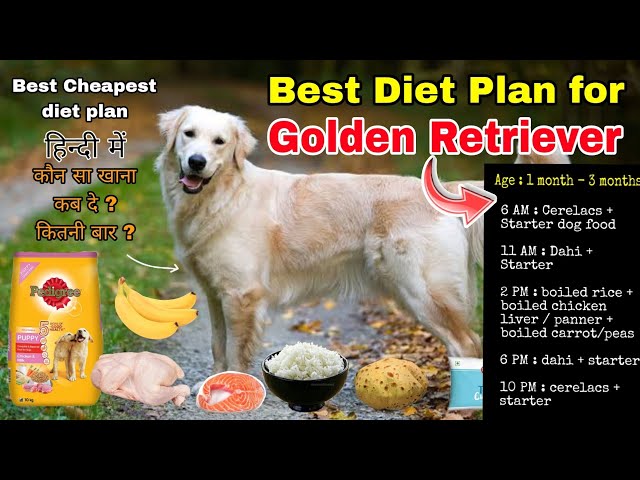
A healthy diet plays a vital role in keeping adult dogs active, happy, and free from disease. Just like humans, dogs require balanced nutrition to support their energy levels, immune system, digestion, and overall well-being. Choosing the best diet plan for adult dogs can be confusing because of the wide variety of food options available. However, understanding your dog’s nutritional needs makes it easier to create a diet plan that promotes long-term health.
This article explains the best diet plan for adult dogs, including essential nutrients, feeding schedules, portion control, and common mistakes to avoid.
Understanding Nutritional Needs of Adult Dogs
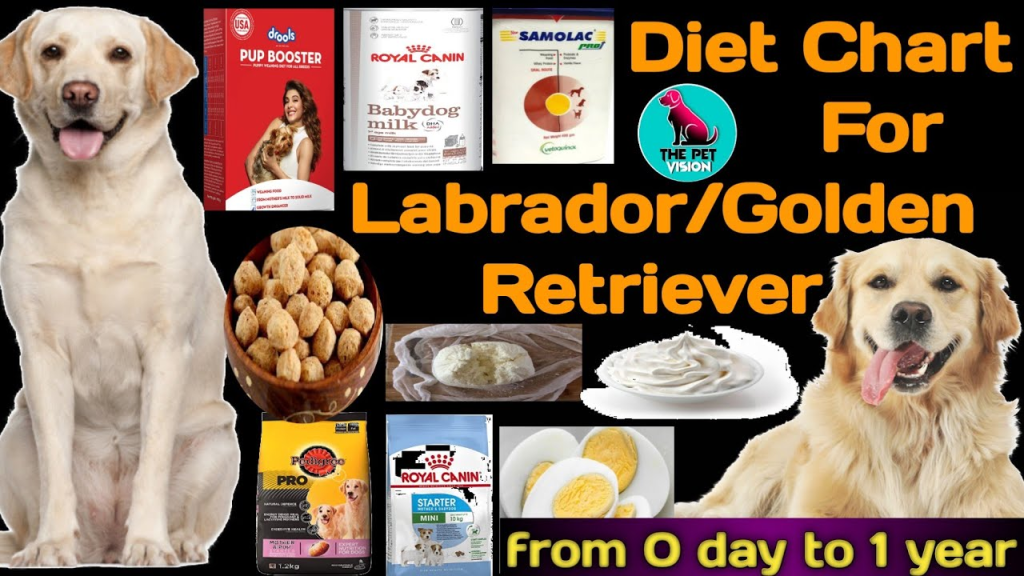
Adult dogs typically reach maturity between one and two years of age, depending on their breed and size. At this stage, their diet should focus on maintaining body weight, supporting muscle mass, and preventing health issues such as obesity or joint problems.
The nutritional needs of adult dogs differ from puppies and senior dogs. Puppies need more calories for growth, while senior dogs require fewer calories and more joint support. Adult dogs need a balanced combination of proteins, fats, carbohydrates, vitamins, minerals, and water.
Importance of Protein in an Adult Dog’s Diet

Protein is one of the most important components of a healthy diet for adult dogs. It helps maintain muscle strength, supports tissue repair, and keeps the immune system strong. High-quality animal-based proteins are easier for dogs to digest and utilize.
Good protein sources include chicken, turkey, beef, lamb, fish, and eggs. Plant-based proteins can also be included but should not replace animal protein entirely. A diet rich in quality protein helps adult dogs stay active and maintain a healthy body condition.
Role of Healthy Fats
Fats provide energy and help support skin and coat health. They also assist in the absorption of fat-soluble vitamins. Adult dogs need moderate levels of healthy fats to stay energetic without gaining excess weight.
Sources of healthy fats include fish oil, chicken fat, flaxseed oil, and sunflower oil. Omega-3 and omega-6 fatty acids are especially important for maintaining a shiny coat, reducing inflammation, and supporting brain function.
Carbohydrates for Energy and Digestion
Carbohydrates are not essential for dogs, but they can provide a valuable source of energy and dietary fiber. Whole grains, vegetables, and fruits offer complex carbohydrates that release energy slowly and help maintain stable blood sugar levels.
Common carbohydrate sources include brown rice, oats, sweet potatoes, barley, peas, and carrots. Fiber from these foods supports healthy digestion and prevents constipation.
Essential Vitamins and Minerals
Vitamins and minerals are required in small amounts but are crucial for overall health. They support bone strength, nerve function, immune response, and metabolism.
Calcium and phosphorus help maintain strong bones and teeth. Zinc supports skin health, while iron aids in oxygen transport in the blood. Vitamins such as A, D, E, and B-complex vitamins are also important for maintaining proper bodily functions.
A well-balanced commercial dog food usually contains these nutrients in the right proportions, but homemade diets must be carefully planned to avoid deficiencies.
Importance of Fresh Water
Water is often overlooked, but it is one of the most important elements of a dog’s diet. Adult dogs should always have access to clean, fresh water. Proper hydration supports digestion, circulation, temperature regulation, and kidney health.
Dogs that eat dry food may need more water than those on wet or fresh diets. Monitoring water intake is especially important during hot weather or after exercise.
Best Feeding Schedule for Adult Dogs
Most adult dogs do well with two meals per day, one in the morning and one in the evening. This feeding schedule helps maintain stable energy levels and reduces the risk of bloating or digestive issues.
Some dogs may prefer one larger meal per day, but dividing meals is generally recommended. Consistent feeding times help regulate digestion and create a healthy routine.
Portion Control and Weight Management
Overfeeding is one of the most common causes of obesity in adult dogs. Excess weight can lead to serious health problems such as diabetes, joint pain, heart disease, and reduced lifespan.
Portion size depends on factors such as age, breed, activity level, metabolism, and health condition. Active dogs require more calories, while less active dogs need smaller portions.
Monitoring your dog’s body condition is a simple way to ensure proper portion control. You should be able to feel your dog’s ribs without pressing too hard, and the waist should be visible when viewed from above.
Commercial Dog Food vs Homemade Diet
Both commercial dog food and homemade diets can be healthy if chosen carefully. High-quality commercial dog food is convenient and formulated to meet nutritional standards. It comes in dry, wet, and semi-moist forms.
Homemade diets offer more control over ingredients and are useful for dogs with allergies or special dietary needs. However, homemade meals must be balanced correctly, as missing nutrients can cause long-term health problems.
Consulting a veterinarian before switching to a homemade diet is highly recommended to ensure nutritional adequacy.
Special Dietary Considerations
Some adult dogs may require special diets due to allergies, sensitive digestion, or medical conditions. Common food allergies include reactions to beef, chicken, dairy, wheat, or soy.
Dogs with sensitive stomachs benefit from easily digestible ingredients and limited ingredient diets. For dogs with medical conditions such as kidney disease, diabetes, or joint problems, specialized diets may be necessary.
Adjusting the diet according to individual needs helps improve quality of life and prevents complications.
Foods to Avoid in an Adult Dog’s Diet
Certain foods can be harmful or toxic to dogs and should be avoided completely. These include chocolate, onions, garlic, grapes, raisins, alcohol, caffeine, and foods containing artificial sweeteners.
Highly processed human foods, excessive salt, and sugary snacks should also be avoided. Feeding table scraps regularly can cause nutritional imbalance and encourage bad eating habits.
Treats and Snacks in Moderation
Treats can be used for training and bonding but should not exceed ten percent of a dog’s daily calorie intake. Healthy treat options include small pieces of cooked meat, fruits like apples or blueberries, and vegetables such as carrots.
Avoid giving too many treats, as this can lead to weight gain and digestive issues.
Monitoring and Adjusting the Diet
A dog’s dietary needs may change over time due to aging, activity level, or health status. Regularly monitoring weight, energy levels, coat condition, and digestion helps identify whether the diet is working well.
If your dog becomes lethargic, gains or loses weight unexpectedly, or shows digestive problems, dietary adjustments may be necessary.
Conclusion
The best diet plan for adult dogs focuses on balance, quality, and consistency. A diet rich in high-quality protein, healthy fats, complex carbohydrates, vitamins, minerals, and plenty of water supports long-term health and vitality. Proper portion control, regular feeding schedules, and avoiding harmful foods are equally important.
Every dog is unique, and the ideal diet plan depends on individual needs. By understanding nutritional requirements and making informed choices, dog owners can ensure their adult dogs live healthy, active, and happy lives.
