


Dogs are not just pets; they are loyal companions and loving members of the family. Taking care of a dog at home requires time, patience, responsibility, and understanding. A well-cared-for dog is healthy, happy, and emotionally balanced. Whether you are a first-time dog owner or already have experience, learning the proper way to care for your dog at home is essential for its overall well-being. This article explains everything you need to know about how to take care of a dog at home, from nutrition and grooming to health, training, and emotional care.
Understanding Your Dog’s Needs
Every dog has basic needs that must be fulfilled daily. These include food, water, shelter, exercise, health care, and affection. Dogs are social animals and need attention and companionship to stay mentally healthy. Understanding your dog’s breed, age, size, and personality helps you provide better care. Puppies, adult dogs, and senior dogs all have different requirements, so care should be adjusted accordingly.
Providing a Safe and Comfortable Home
Your home should be a safe and comfortable place for your dog. Choose a quiet area where your dog can rest without disturbance. Provide a clean, soft bed that supports your dog’s body. Make sure the sleeping area is protected from extreme heat and cold.
Remove any dangerous items such as sharp objects, toxic plants, chemicals, and small items that your dog could swallow. Electrical wires should be covered, and trash bins should be secured. A safe environment prevents accidents and injuries and allows your dog to relax and feel secure.
Proper Nutrition and Feeding
Feeding your dog a balanced and nutritious diet is one of the most important parts of dog care. Dogs need the right combination of protein, carbohydrates, fats, vitamins, and minerals to stay healthy. Choose high-quality dog food suitable for your dog’s age, size, and activity level.
Puppies usually need to be fed three to four times a day, while adult dogs can be fed once or twice daily. Avoid overfeeding, as obesity can cause serious health problems. Fresh, clean water should always be available for your dog.
Do not feed your dog human foods such as chocolate, onions, grapes, spicy foods, or sugary snacks, as these can be harmful. Treats should be given in moderation and used mainly for training or rewards.
Maintaining Hygiene and Grooming
Regular grooming keeps your dog clean and healthy. Brush your dog’s coat regularly to remove loose hair, dirt, and tangles. The frequency of brushing depends on your dog’s coat type. Long-haired dogs need more frequent brushing, while short-haired dogs require less.
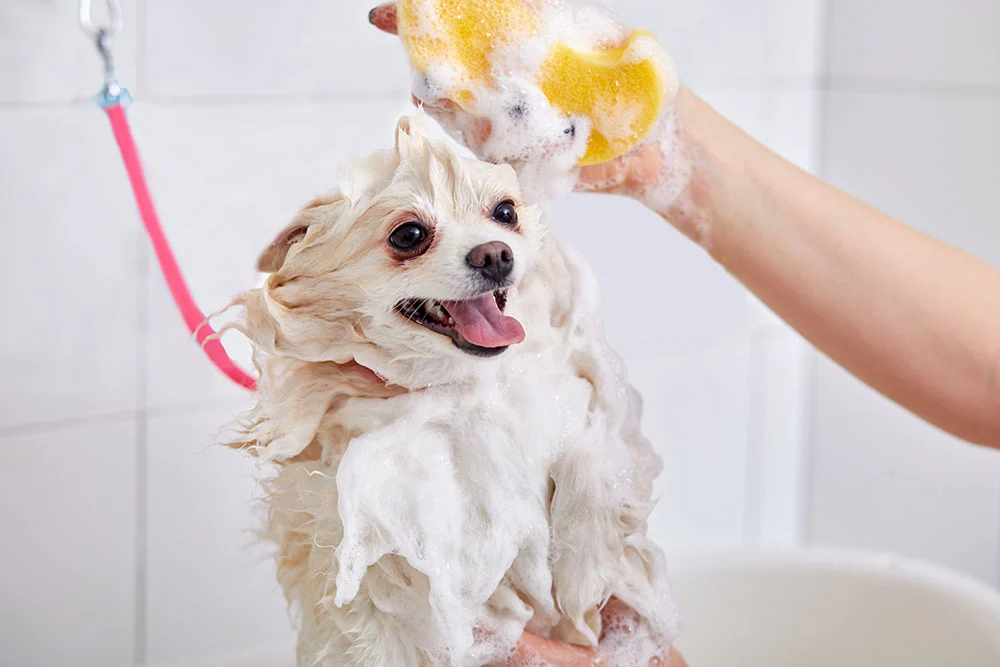
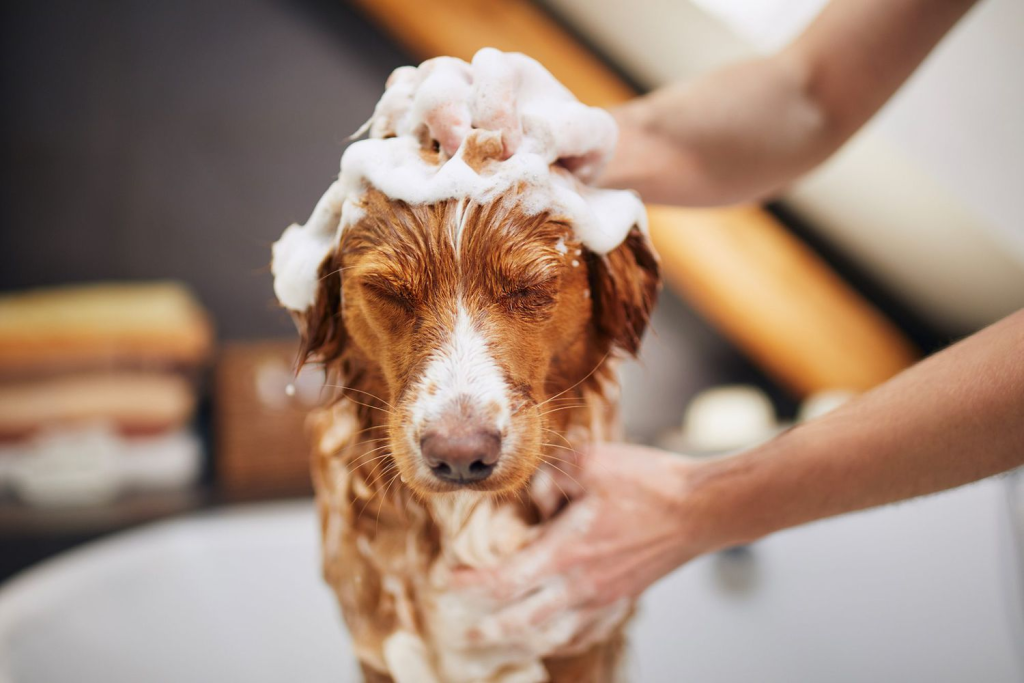
Bathing should be done when necessary, usually once every few weeks, using a dog-friendly shampoo. Overbathing can dry out the skin. After bathing, dry your dog properly to avoid skin infections.
Nail trimming is also important. Long nails can cause discomfort and affect your dog’s walking. Clean your dog’s ears regularly to prevent infections, and brush their teeth or provide dental chews to maintain oral hygiene.
Exercise and Physical Activity
Dogs need daily exercise to stay fit and healthy. Regular physical activity helps control weight, improves digestion, strengthens muscles, and reduces behavioral problems. Take your dog for daily walks, play fetch, or engage in indoor games if outdoor space is limited.
Different breeds have different energy levels. Active breeds need more exercise, while smaller or older dogs may require less. Avoid overexertion, especially in hot weather. Exercise should be enjoyable and suited to your dog’s abilities.
Training and Discipline
Training is essential for good behavior and safety. Start training your dog at an early age using positive reinforcement methods such as praise, treats, and affection. Teach basic commands like sit, stay, come, and no.
Consistency is key when training a dog. Avoid shouting or physical punishment, as it can cause fear and aggression. Instead, correct unwanted behavior calmly and reward good behavior. Proper training helps your dog understand boundaries and strengthens the bond between you and your pet.
Health Care and Regular Checkups
Taking care of a dog at home also includes monitoring its health. Regular veterinary checkups are important to detect health issues early. Vaccinations, deworming, and parasite control should be done as recommended.
Observe your dog daily for any changes in behavior, appetite, or appearance. Signs such as lethargy, vomiting, diarrhea, excessive scratching, or unusual aggression may indicate illness. If you notice anything unusual, consult a veterinarian promptly.
Keep a basic first-aid kit at home for minor injuries. However, serious conditions should always be handled by a professional.
Emotional Care and Companionship
Dogs are emotional creatures that thrive on love and attention. Spend quality time with your dog every day. Talk to them, play with them, and show affection through gentle touch and praise. A dog that feels loved is more confident and well-behaved.
Leaving a dog alone for long periods can lead to loneliness, anxiety, and destructive behavior. If you are busy, provide toys or safe activities to keep your dog mentally stimulated. Emotional care is just as important as physical care.
Socialization and Mental Stimulation
Socialization helps your dog become comfortable with people, other animals, and new environments. Introduce your dog to different situations gradually and positively. This reduces fear and aggression and helps your dog develop good social skills.
Mental stimulation is also important. Puzzle toys, training games, and interactive play keep your dog’s mind active and prevent boredom. A mentally stimulated dog is less likely to develop behavioral problems.
Special Care for Puppies and Senior Dogs
Puppies need extra care, including frequent feeding, training, and supervision. They are curious and may chew on everything, so puppy-proofing your home is essential. Patience and gentle guidance help puppies grow into well-behaved adults.
Senior dogs may require special diets, softer bedding, and less intense exercise. They may also need more frequent health checkups. Providing comfort, routine, and gentle care helps older dogs live a happy and dignified life.
Conclusion
Taking care of a dog at home is a rewarding responsibility that requires commitment, love, and consistency. By providing proper nutrition, a safe environment, regular exercise, grooming, training, health care, and emotional support, you can ensure your dog lives a long, healthy, and happy life. Dogs give unconditional love and loyalty, and in return, they deserve the best care possible. When you take care of your dog properly at home, you are not just raising a pet—you are nurturing a lifelong companion.
